How Do You Match Slings and Shackles for a Lift?
A sling and a shackle can each meet their own specification yet fit badly together. I check the connection before I approve both products.
I match slings and shackles by checking their rated capacities, sling angle, eye or fitting dimensions, and the shackle’s usable space. I compare the planned setup with both manufacturers’ instructions before the crew uses it.

I need more than two product names to make that choice. I need to know what the crew will lift and how every part will connect.
Why Should You Check the Whole Assembly?
Separate product ratings do not tell me whether the full lift will work. The hitch, sling angle, and connection points all affect the arrangement.
I check the sling, shackle, lifting point, hook, and any other hardware as one assembly. I use each component’s rated information for the planned setup. I never treat the highest number on a product label as the rating for the whole lift.

I begin with the load weight and the position of its lifting points. Then I ask how the crew plans to attach the sling. A vertical hitch, basket hitch, and choker hitch may give the same sling different rated capacities. With more than one sling leg, I also need the planned angles. As the legs spread, the force in each leg can rise. I use the sling maker’s rating for the actual hitch and angle rather than estimating from the load weight alone. I then check the shackle and lifting point for the expected force and load direction. This matters to a wholesale buyer who plans to sell the products as a pair. A mismatch may stay hidden until a customer tries to put them together. When I receive a request for slings and shackles, I ask for a lifting sketch early. It gives me a better basis for a quote and lets me state the assumptions behind my recommendation.
How Do You Match a Shackle to a Polyester Sling Eye?
A shackle with enough capacity may still be too narrow for a polyester sling eye. A tight bend or sharp contact point can damage the sling.
I compare the eye’s width and construction with the shackle’s pin diameter, opening, and contact surface. I follow the sling maker’s instructions for the hardware shape and bend. I do not squeeze the eye into a space that is too small.

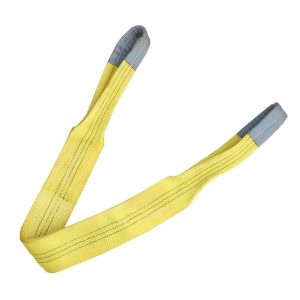
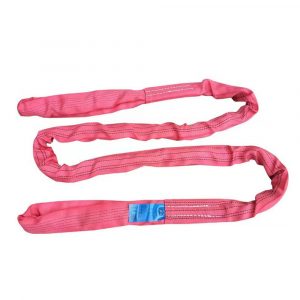
I ask for the exact sling model because polyester webbing slings and round slings have different eye constructions. I look at how the eye sits in the shackle and where the fabric bears on the metal. The eye should not bunch, twist, or rub against a rough edge. I also check the direction in which the sling leaves the shackle during the lift. A connection can look roomy while it lies flat, then crowd the eye when the sling takes the load. Choosing a larger shackle does not always solve the problem; its pin may no longer fit the lifting point. I check both sides of the connection. When drawings leave any doubt, I ask the supplier to assemble sample parts and send clear photos. That small check can prevent a buyer from receiving a full shipment of products that meet their individual specifications but do not work well together.
What Changes When You Use Several Sling Legs?
More sling legs create more connections to check. I need to know how the legs share the load and where they come together.
I use the rated capacity for the planned number of legs, hitch, and angles. I check that the connecting hardware can hold the fittings without crowding. I also follow the manufacturer’s rules for load direction at the shackle.

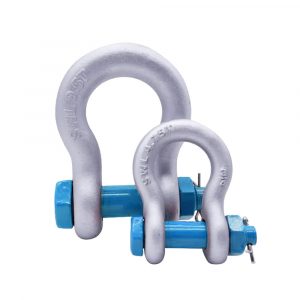
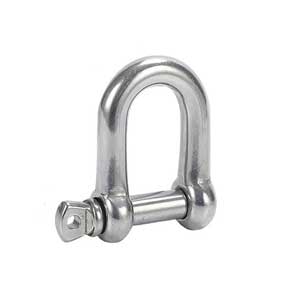
I do not assume two legs will always carry equal loads. The center of gravity, leg lengths, and lifting-point positions all affect the arrangement. I ask for a sketch that shows those details and identifies each connection. The legs may meet at a master link, a shackle, or another approved fitting. I check the dimensions and instructions for the part the buyer plans to use. A bow shackle offers a wider space than a D shackle, but that alone does not approve it for every multi-leg setup. I need to confirm that the legs fit and that the load reaches the shackle in a direction its maker permits. I also consider whether the parts could shift while the load moves. For an unusual lift, a qualified lifting professional should approve the final plan. I can supply the product information and help the buyer compare options, but the actual lifting arrangement must guide the choice.
What Should You Include in an Order for Both Products?
A vague request for “slings and shackles” invites mismatched quotes. I send the application details before I ask suppliers to price the order.
I provide the load information, lifting sketch, sling type and length, required capacities, connection dimensions, quantity, and destination. I also specify the markings, documents, inspection steps, packaging, and delivery date the buyer needs.
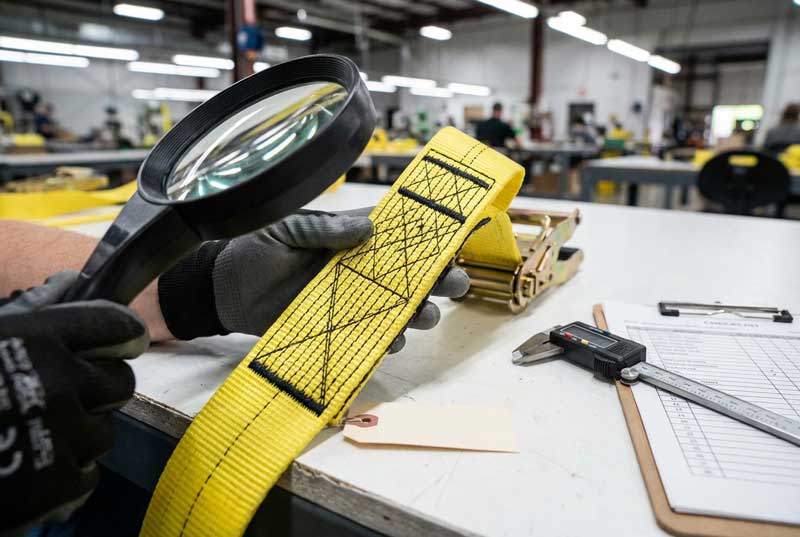
For a repeat order, I keep an approved drawing or specification for each product and for the connection between them. I ask the supplier to flag any change before production. A different pin diameter, sling eye size, or fitting shape may alter the connection even when the stated capacity stays the same. I also check how the supplier will identify the goods and which documents will accompany the shipment. Those details help a distributor inspect, relabel, and deliver the products. I agree on inspection points and a realistic shipping schedule before I place the order. A buyer who has to meet a seasonal delivery window needs that information early. At UU LIFTING, I can prepare a combined offer for polyester slings and shackles when I have the application details. I want the buyer to compare suppliers against the same clear requirements and catch fit problems before the goods leave the factory.
Conclusion
I match slings and shackles as one assembly. I check the load, angles, fit, documents, and delivery plan before I approve the order.