What Is a Sling Hook?
Lifting heavy loads but unsure about the right hook? Choosing incorrectly risks safety and efficiency. Secure your operations with the right knowledge.
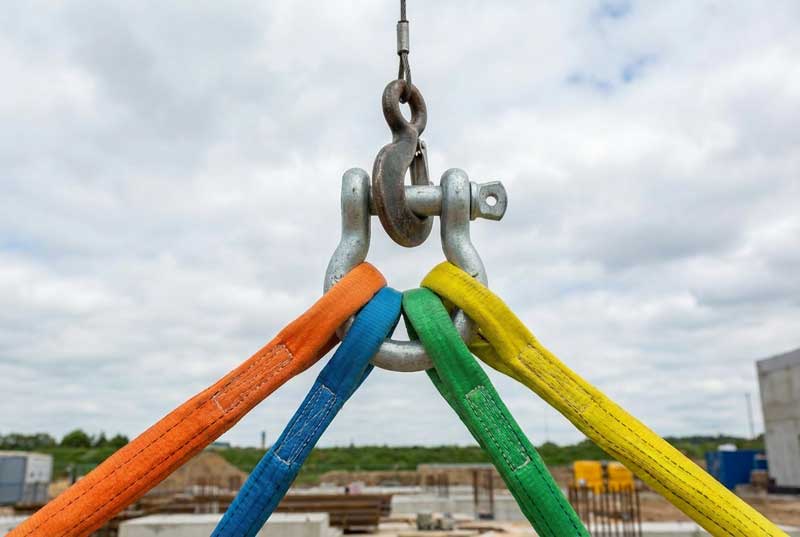
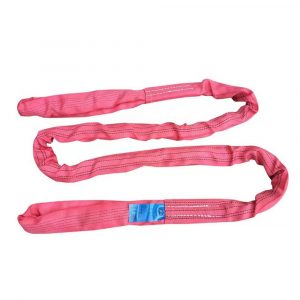
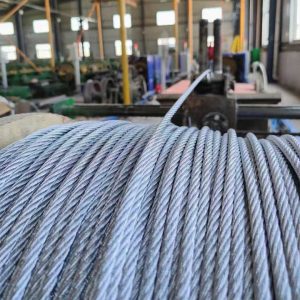
A sling hook is a vital rigging component. It connects lifting slings (wire rope, chain, or synthetic) to loads or lifting devices. This ensures safe and secure attachment for various lifting tasks.
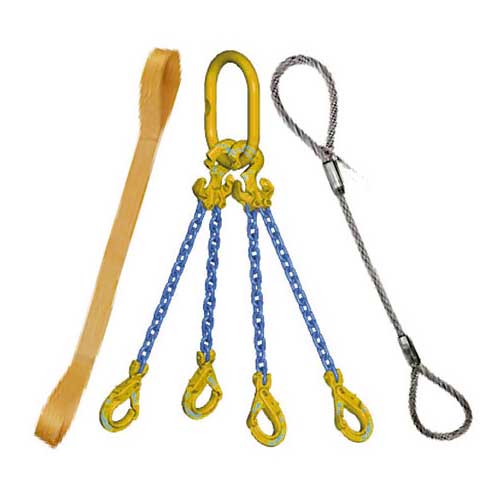
Understanding sling hooks is just the start. We need to look closer. Let’s explore their uses, materials, and how they differ from other hooks. This will help you choose wisely for your business.
What Is a Sling Hook Used for?
Do your lifting tasks vary widely? Using the wrong hook can cause delays or accidents. Sling hooks offer versatile solutions for many industries.
Sling hooks are used to attach loads to hoisting equipment like cranes and hoists. They are essential in construction, manufacturing, and logistics for safely lifting heavy objects.

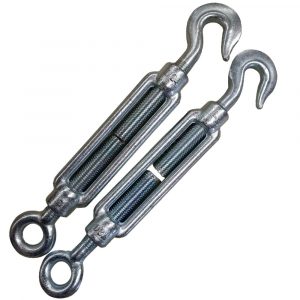
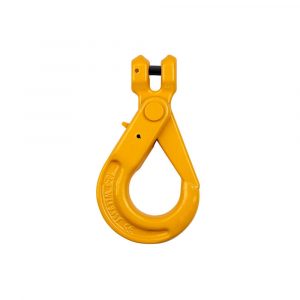
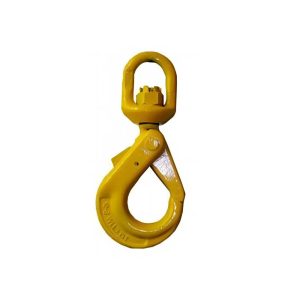
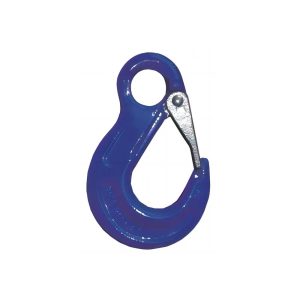
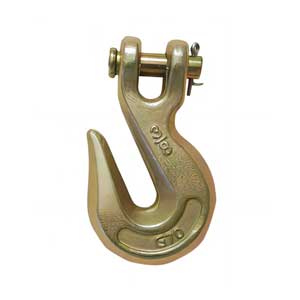
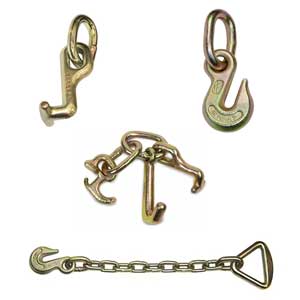
Sling hooks are really the workhorses in many industries. I’ve seen them used everywhere. In construction, they lift steel beams and concrete panels. In manufacturing, they move heavy machinery or components along an assembly line. Logistics operations rely on them for loading and unloading cargo from ships and trucks. Their main job is to create a secure connection point. Think about it. You have a powerful crane, and you have a heavy load. The sling hook is what bridges that gap, making sure the sling holds the load firmly. Different types of sling hooks are designed for specific tasks. For example, an eye hook is great for general lifting. A clevis hook allows for quick attachment. The key is matching the hook to the sling and the job. These hooks are fundamental for maintaining both workplace safety and productivity during lifting tasks.
What Is the Material of Sling Hooks?
Worried about hook strength and durability? Substandard materials can lead to catastrophic failures. Quality materials ensure your sling hooks perform reliably under pressure.
Sling hooks are typically made from forged alloy steel or carbon steel. This provides high strength, durability, and resistance to wear and tear, crucial for handling heavy loads safely.
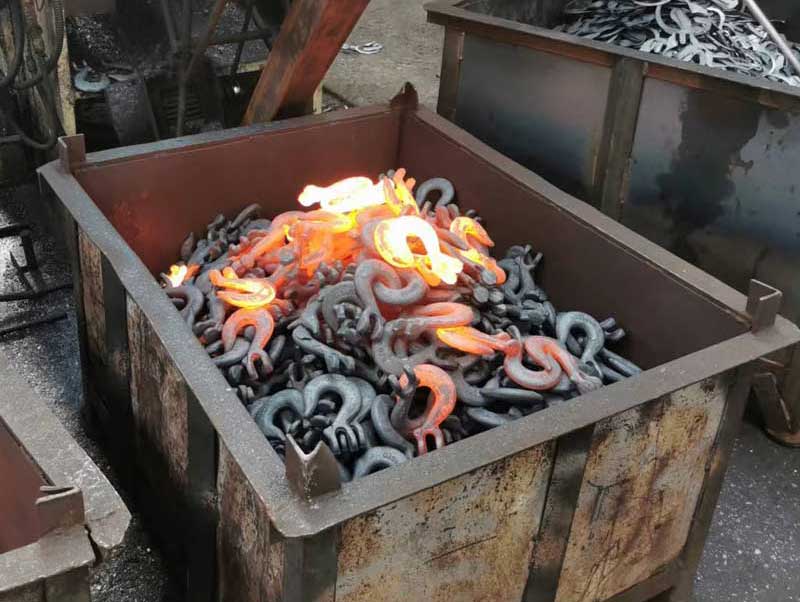
When I talk to manufacturers like us at UU LIFTING, we always emphasize the material. Forging is a common process for making high-quality hooks. This means the steel is heated and then hammered or pressed into shape. This process aligns the grain structure of the steel. This makes it incredibly strong and resilient. You’ll often see grades mentioned, like Grade 70, Grade 80, or Grade 100 for alloy steel hooks. These grades indicate the strength of the material. Higher grades mean a higher lifting capacity for the same size hook. Carbon steel is also used, especially for general-purpose applications. The choice between alloy and carbon steel often comes down to the specific lifting requirements, environmental conditions, and, of course, budget. Heat treatment is another critical step in manufacturing. This process enhances hardness and toughness, ensuring the hook can withstand significant weight and stress.
What Is the Difference Between a Sling Hook and a Self Locking Hook?
Concerned about loads accidentally slipping? A standard hook might not offer enough security. Self-locking hooks provide an extra layer of safety for critical lifts.
A standard sling hook may have a simple latch or no latch. A self-locking hook features a mechanism that automatically locks under load, preventing accidental opening and enhancing safety.
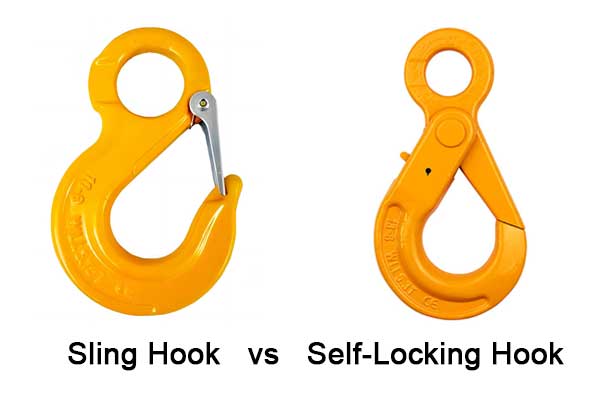
The main difference is that safety latch mechanism. I’ve seen situations where a load shifts. A simple spring-loaded latch on a standard sling hook could be forced open. It’s rare, but the risk is there. A self-locking hook, however, is designed so that the weight of the load itself helps keep the locking mechanism engaged. This means the hook is more secure when it matters most – during the lift. This type of hook provides an extra level of safety for critical lifting operations.
Here’s a simple breakdown:
| Feature | Standard Sling Hook (with basic latch) | Self-Locking Hook |
|---|---|---|
| Latch Type | Spring-loaded (can be manual) | Automatic, engages under load |
| Security | Basic | Enhanced |
| Accidental Open | Possible under certain conditions | Highly unlikely when properly used |
| Best For | General lifting | Critical lifts, high-risk environments |
For operations where safety is absolutely paramount, I always recommend considering self-locking hooks. Or where the load might twist or move in a way that could dislodge a standard latch. They provide peace of mind.
What Is the Difference Between a Sling Hook and a Slip Hook?
Need to adjust sling length quickly or allow movement? A standard sling hook might be too restrictive. Slip hooks offer specific functionalities for these scenarios.
A sling hook generally refers to various hooks used with slings. A slip hook specifically has a wider throat, allowing a chain or sling to slide through, useful for adjusting length.
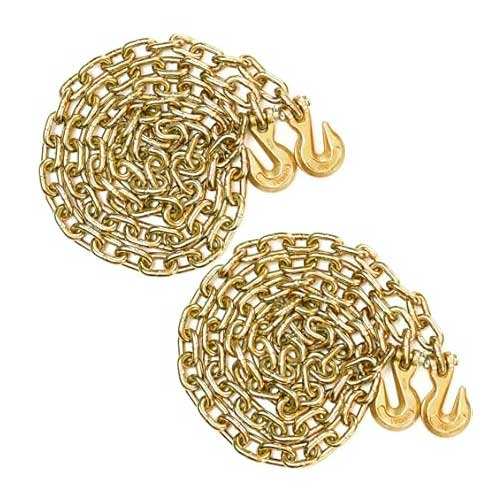
The term "sling hook" is quite broad. It’s like a general category that includes many types like eye hooks, clevis hooks, swivel hooks, and others. A slip hook is one of these specific types. The key feature of a slip hook is its wider throat compared to, say, a grab hook. A grab hook has a narrow throat. This is designed to "grab" onto a chain link and prevent it from slipping or moving. A slip hook does the opposite. Its wider opening allows the sling or chain to "slip" or pass through it. This is really useful when you need to create a choker hitch. It is also useful for adjusting the effective length of a lifting chain or sling without disconnecting it. For example, you can pass the chain through the slip hook to form a loop around a load. The wider throat ensures the chain can move and tighten properly. Some slip hooks might also be clevis type for easy attachment and detachment.
Conclusion
Sling hooks are vital for safe lifting. Understanding types, materials, and differences helps you choose correctly. Contact us at UU LIFTING for quality, customizable options.