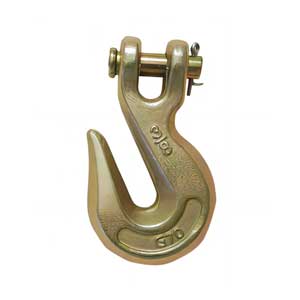
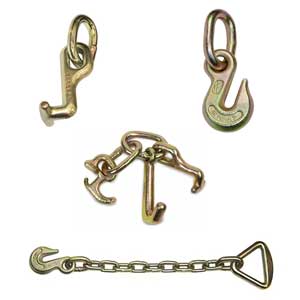
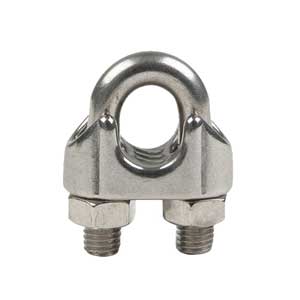
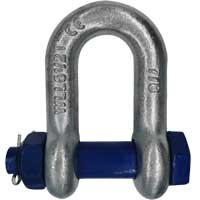
Lifting Shackles Manufacturer & Wholesale Supplier

UU LIFTING is a lifting shackles manufacturer and wholesale supplier in China. We supply bow shackles, anchor shackles, D shackles, chain shackles, screw pin shackles, bolt-type shackles, round pin shackles, and stainless steel shackles for lifting, rigging, marine, construction, and industrial applications.

Our shackles are available in different sizes, materials, finishes, pin types, and working load limits. We support wholesale orders, distributor supply, OEM packaging, product testing, custom requirements, and export shipments. Minimum order starts at one pallet.

Contact us with your required shackle type, size, working load limit, quantity, and destination to receive product recommendations and a wholesale quotation.

Lifting Shackles for Wholesale and Industrial Applications

UU LIFTING supplies lifting shackles for wholesalers, distributors, rigging companies, and industrial buyers. Our product range includes bow shackles, anchor shackles, D shackles, chain shackles, screw pin shackles, bolt-type shackles, round pin shackles, and stainless steel shackles.

Choose the correct shackle according to the working load limit, shackle type, pin type, material, lifting angle, and working environment. Bow and anchor shackles are often selected for multi-directional lifting, while D and chain shackles are commonly used for more direct loading.

We support bulk orders, OEM packaging, samples, product testing, custom requirements, and export shipments. Contact us with your required type, size, quantity, and destination for a wholesale quotation.

Choose the Right Lifting Shackle Type

We supply different shackle types for lifting, rigging, marine, construction, and industrial applications. Compare the options below or contact us for help selecting the correct type, size, material, and pin configuration.

Why Choose UU LIFTING Lifting Shackles?

UU LIFTING supplies lifting shackles for wholesale, distribution, and industrial applications. We help customers choose suitable shackles according to the working load limit, size, material, pin type, lifting angle, and working environment.

Strong Capacity
  • Multiple Shackle Types: Bow, anchor, D, chain, screw pin, bolt-type, round pin, galvanized, and stainless steel shackles are available.
  • Different Materials: We can supply carbon steel, alloy steel, galvanized steel, and stainless steel options according to the application.
  • Clear Specifications: Product information can include size, pin diameter, working load limit, breaking load, and applicable requirements.
  • Quality Control: We check materials, dimensions, surface quality, assembly, and packaging before shipment.
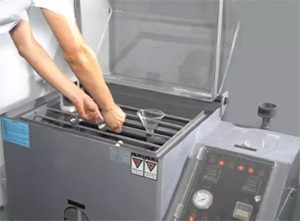
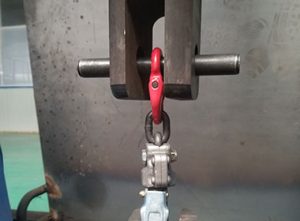
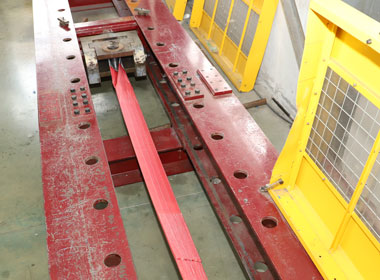
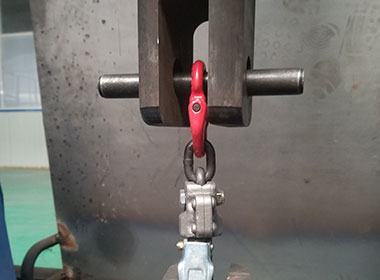
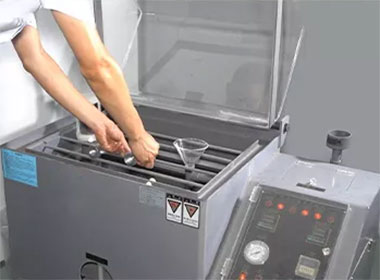
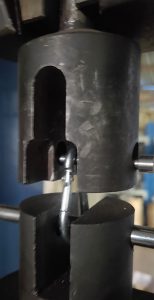
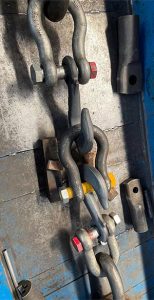
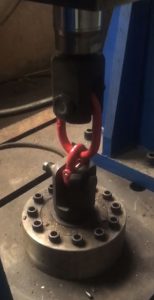
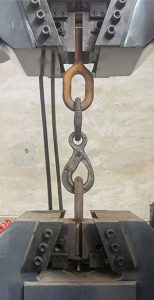
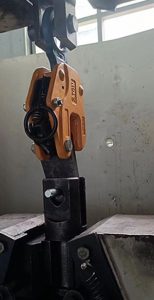
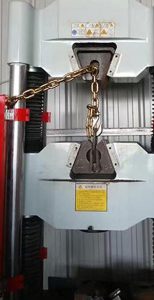
  • Testing Support: Product testing and inspection support are available for qualified wholesale orders.
  • Flexible Supply: We support bulk orders, distributor supply, OEM packaging, and custom requirements.
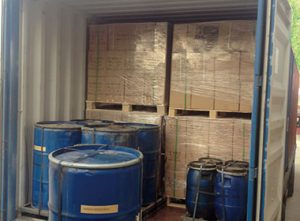
  • Export Service: We arrange export packaging and shipment for customers in Europe, North America, South America, and Asia.
  • Fast Quotation: Send us the shackle type, size, quantity, working load limit, and destination for a quotation.
Explore Beyond Shackles – Experience the UU LIFTING Difference

UU LIFTING supplies lifting shackles for wholesalers, distributors, and industrial buyers worldwide. We’re dedicated to going above and beyond the industry standard, providing exceptional customer service that sets us apart. Here’s what you can expect when you partner with us:

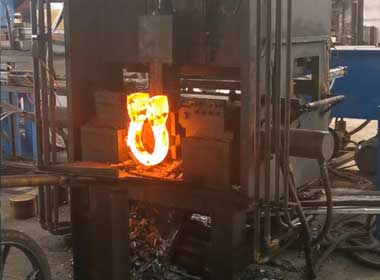
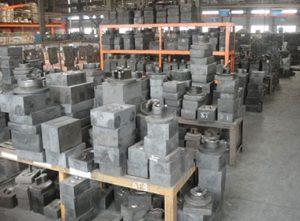
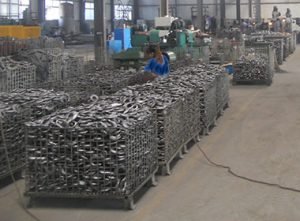
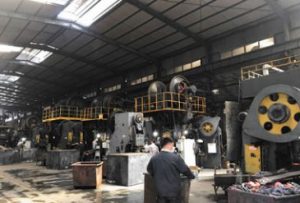
Forged-Plant

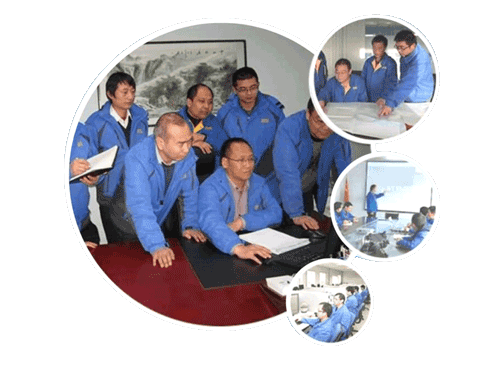
Shackle Design and Custom Manufacturing

We can discuss shackle size, material, pin type, surface finish, marking, packaging, and other requirements for qualified custom orders.

Strong Capacity

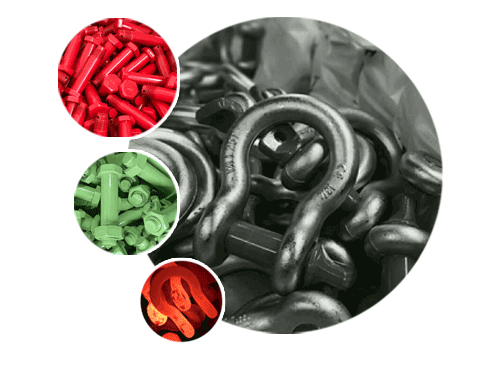
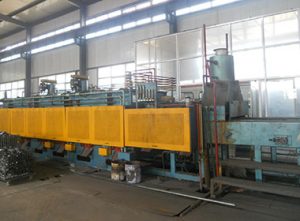
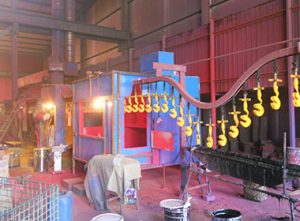
Production and Surface Treatment

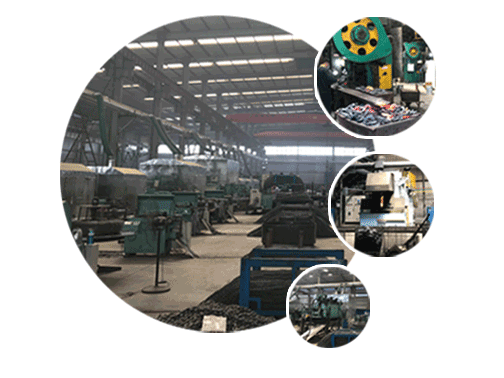
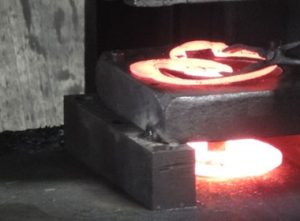
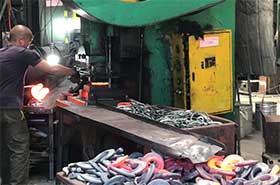
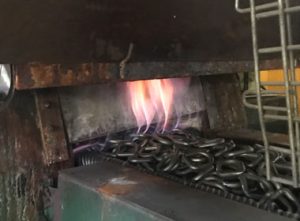
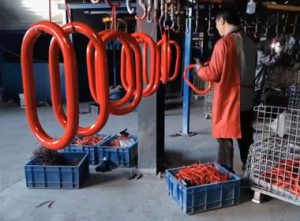
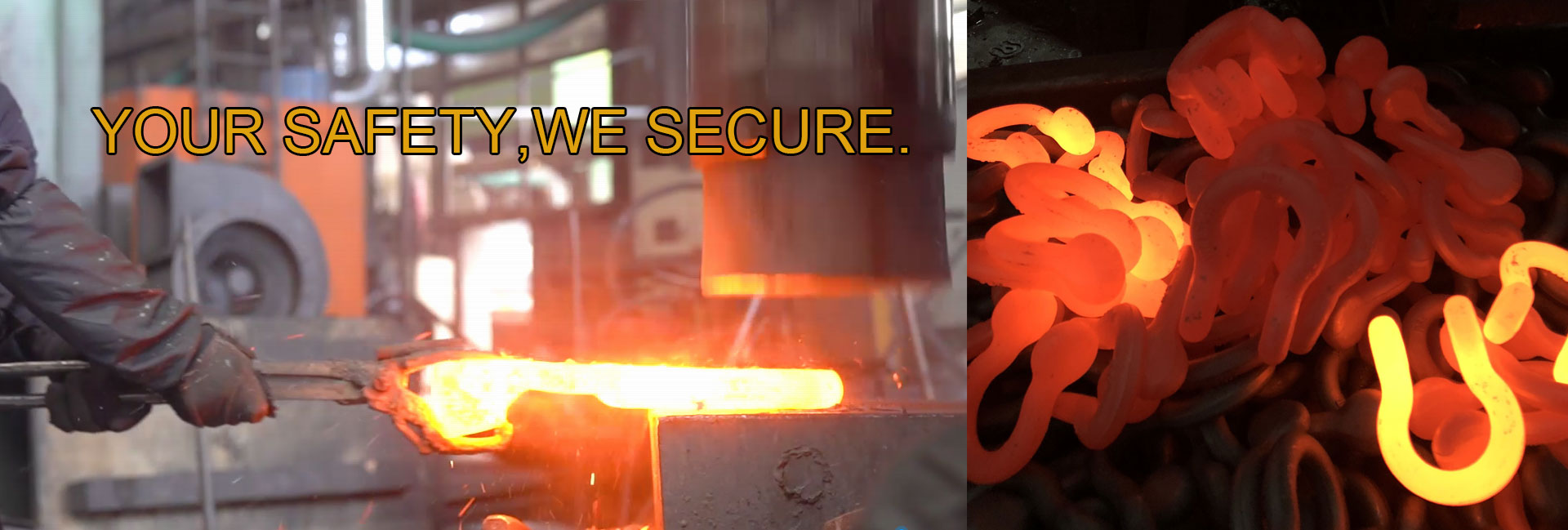
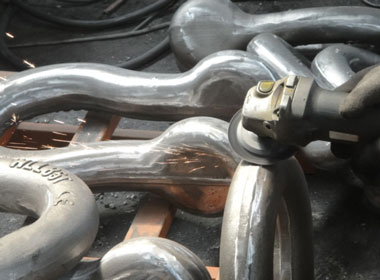
Our production team manages forming, machining, heat treatment, surface treatment, assembly, and packaging according to the approved product requirements.

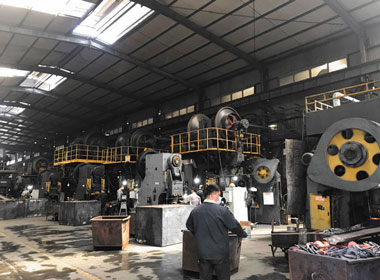
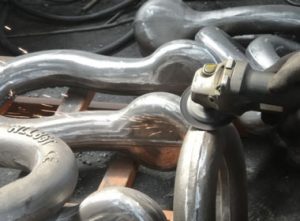
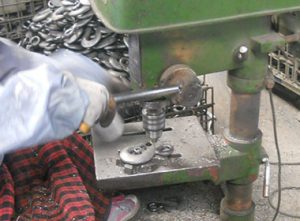
Machining Workshop

Wholesale Pricing and Flexible MOQ

We support wholesale orders, distributor supply, pallet orders, and OEM packaging. Pricing depends on the shackle type, size, material, quantity, and packaging requirements.

Full Support & Service

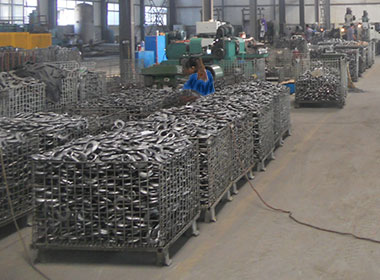
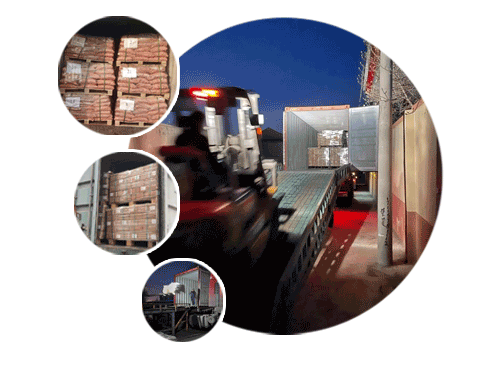
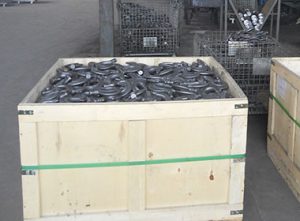
Inspection, Packaging, and Export Support

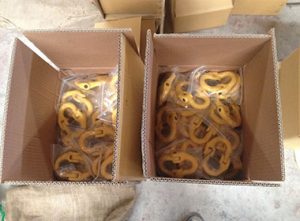
We check product dimensions, surface quality, pin assembly, markings, packaging, and order details before shipment. We also support export packing and shipping coordination.

We’re There Every Step of the Way
RIGGING AND LIFTING EQUIPMENT MANUFACTURE

20+ Years of Lifting Shackle and Rigging Hardware Experience

why-1
shackle

High-Quality Rigging and Lifting Equipment Start From Basics

why-2
shackle
Customized rigging solutions

Customized Rigging Solutions Cost Save 10%-20%

why-3
Ship

One Tracking, Caring Service 24/7 One-One Service For You

why-4
Ship
FAQs Rigging Shackles

For your convenience, we’ve gathered the most commonly asked questions about our rigging and lifting shackles. However, should you have any further queries, please don’t hesitate to contact us.

Lifting shackles can be supplied in different materials, including carbon steel, alloy steel, galvanized steel, and stainless steel.

The suitable material depends on the working load limit, shackle type, lifting application, corrosion conditions, and working environment. Alloy steel is commonly selected for heavy-duty lifting, while galvanized and stainless steel options may be considered for outdoor or corrosive environments.

Please tell us your required shackle type, size, working load limit, and application. We can confirm the available material and product specification.

If you wish, you can inspect our factory by coming to our premises in person or employing a third-party organization to inspect for you.

Production and delivery time depend on the shackle type, size, material, working load limit, order quantity, packaging requirements, and destination.

For standard lifting shackles, we will confirm the estimated production schedule in the quotation. Custom sizes, special markings, OEM packaging, and custom requirements may require additional time.

Before placing an order, we provide the estimated production time, packaging details, shipping terms, and delivery arrangements.

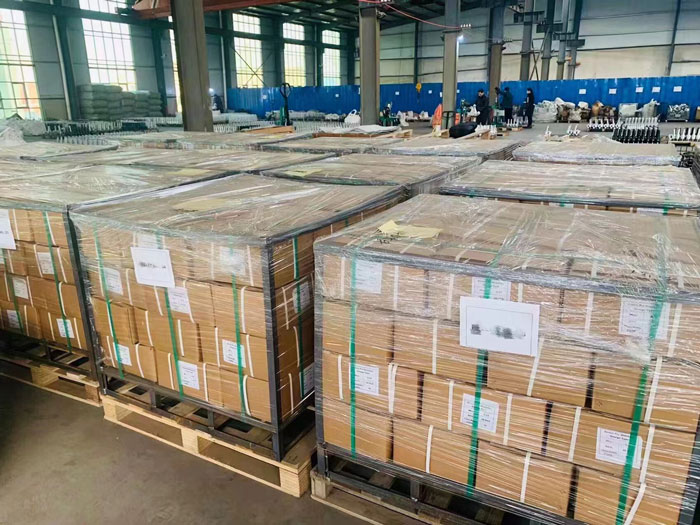
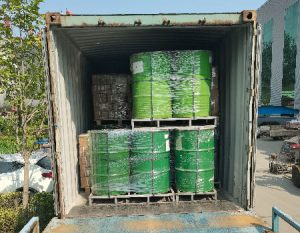
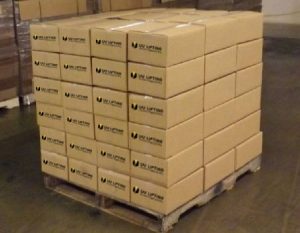
Manufacturers use thick cartons or export-grade plywood boxes to protect products and maintain the integrity of their packaging. This provides a sturdy barrier to keep the contents safe and secure during shipping and transport.

You can buy lifting shackles directly from UU LIFTING for wholesale, distribution, and industrial applications.

We supply bow shackles, anchor shackles, D shackles, chain shackles, screw pin shackles, bolt-type shackles, round pin shackles, galvanized shackles, and stainless steel shackles.

Send us your required shackle type, size, working load limit, quantity, and destination. Our team will confirm the suitable product and provide a wholesale quotation.

  1. Research Various Shackles Manufacturers.
  2. Assess Their Technical Capabilities and Certifications.
  3. Evaluate Their Reputation and Track Record in the Industry.
  4. Check Credentials and Shackle Standards They Follow or Employ.
  5. Request a Quote to Compare Prices, Terms, and Delivery Times.

Lifting shackles are U-shaped pieces of metal used in rigging, lifting, and hoisting applications. They are used to secure cables, ropes, and chains for various jobs like loading cargo onto ships and aircraft, hoisting large stones for building bridges, moving heavy machinery into place, or manipulating loads during construction projects.

Yes. We can discuss customized lifting shackles and OEM packaging for qualified wholesale orders.

Depending on the project, customization may include shackle type, size, material, working load limit, pin type, surface finish, product marking, color, packaging, and labels.

Please send us the required specifications, drawings if available, quantity, packaging requirements, and destination. Our team will review the requirements and confirm the available options before preparing a quotation.

Common lifting shackle types include bow shackles, anchor shackles, D shackles, chain shackles, screw pin shackles, bolt-type shackles, round pin shackles, galvanized shackles, and stainless steel shackles.

Bow and anchor shackles have a wider body and are commonly selected when the connection may move or the load direction may vary. D and chain shackles are generally used for more direct loading. Screw pin shackles are convenient for applications that require frequent connection and removal, while bolt-type shackles are often selected for longer-term installations.

The correct choice depends on the working load limit, load direction, shackle size, pin type, material, and working environment.

Lifting shackles are selected and measured according to the shackle body size, pin diameter, inside width, inside length, and working load limit.

For a quotation, please provide the shackle type, nominal size, pin type, working load limit, material, surface finish, required quantity, and application. If you have a drawing or existing sample, you can send it to us for confirmation.

The correct shackle size must match the lifting equipment, connection point, load direction, and working conditions. Always check the manufacturer’s specification before using a shackle for lifting.

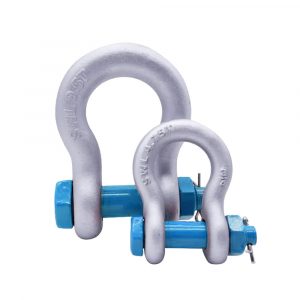
WLL means Working Load Limit. It is the maximum load that a lifting shackle is rated to support under the conditions specified by the manufacturer.

When selecting a shackle, check the WLL, shackle type, lifting angle, pin type, load direction, and working environment. Do not select a shackle based only on its physical size or appearance.

For a quotation or product selection, please provide the required load, application, lifting angle if applicable, shackle size, and quantity. Always follow the manufacturer’s specification and applicable safety requirements.

Complete Guide to Buying Lifting Shackles

Lifting shackles connect slings, chains, wire ropes, and other lifting equipment to loads. The correct shackle must match the working load limit, load direction, connection point, pin type, material, and working environment.

If you are importing lifting shackles for wholesale distribution, construction, marine, manufacturing, or industrial projects, UU LIFTING can help you compare product types and confirm the required specifications.

Chapter 1

What are Shackles?

lifting shackles banner

Shackles are fundamental in various lifting, rigging, and load-securing applications. They play a crucial role in ensuring the safety and efficiency of operations involving the movement of heavy loads. This comprehensive guide will delve into the essentials of rigging shackles, exploring their types, applications, material composition, safety considerations, maintenance, and selection criteria.

Shackles are typically U-shaped pieces of metal secured with a pin or bolt across the opening or a hinged metal loop secured with a quick-release locking pin mechanism. They are designed to connect lifting equipment, such as hoists or cranes, to load-bearing slings or directly to loads themselves. The primary function of a shackle is to provide a secure and flexible link to ensure safe and effective load handling.

Chapter 2

Advantages of Shackles

Shackles are widely used in lifting, rigging, and load-securing applications. Their main advantages include:

  1. Strength and Durability: Properly selected shackles can provide a strong connection for approved lifting and rigging applications.
  2. Versatility: Different shackle shapes, sizes, pin types, and materials are available for different connection requirements.
  3. Secure Connection: A correctly installed pin helps connect slings, chains, wire ropes, and other rigging components.
  4. Ease of Connection: Shackles can be installed and removed according to the shackle design and application.
  5. Multiple Configurations: Bow, anchor, D, chain, screw pin, bolt-type, and round pin shackles are available.
  6. Different Materials and Finishes: Galvanized, alloy steel, carbon steel, and stainless steel options can be selected for different environments.
  7. Easy Inspection: The shackle body, pin, markings, and visible condition can be checked before use.
Clearance Procssing

These advantages underscore the versatility and effectiveness of shackles in a wide range of industries and applications.

Chapter 3

What are Shackles Used for?

Heavy Lifting Operations

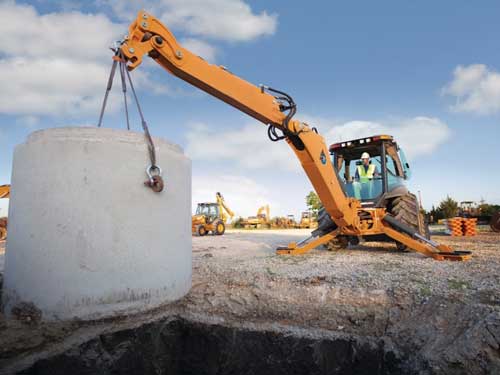
Lifting shackles are used to create secure connections between loads and lifting or rigging equipment.

Common applications include:

  • Connecting wire rope slings, webbing slings, chains, and hooks
  • Lifting and moving machinery, steel structures, and construction materials
  • Rigging operations at construction sites and industrial facilities
  • Marine, shipyard, offshore, and port operations
  • Connecting lifting equipment to load attachment points
  • Securing cargo during transportation and handling
  • Connecting components in temporary or permanent rigging systems
  • Supporting industrial maintenance and equipment installation

The correct shackle type depends on the working load limit, load direction, lifting angle, connection point, material, and working environment. Always follow the manufacturer’s instructions for the intended application.

Chapter 4

Specification of Shackles

Please review the specification file for the shackle model you need. When requesting a quotation, include the shackle type, required working load limit (WLL), body size, pin diameter, quantity, and destination.

If you are replacing an existing shackle, send us its markings and a dimensioned drawing or clear photographs so we can review the available options.

Chapter 5

Shackle Types

Shackles, vital in lifting and rigging operations, come in various types to suit different applications. The primary types include:

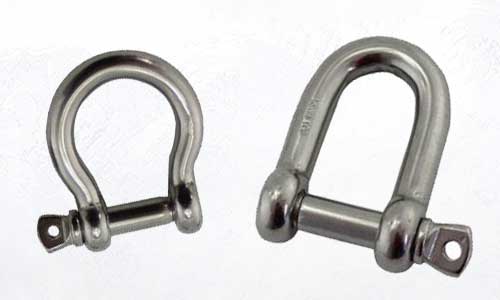
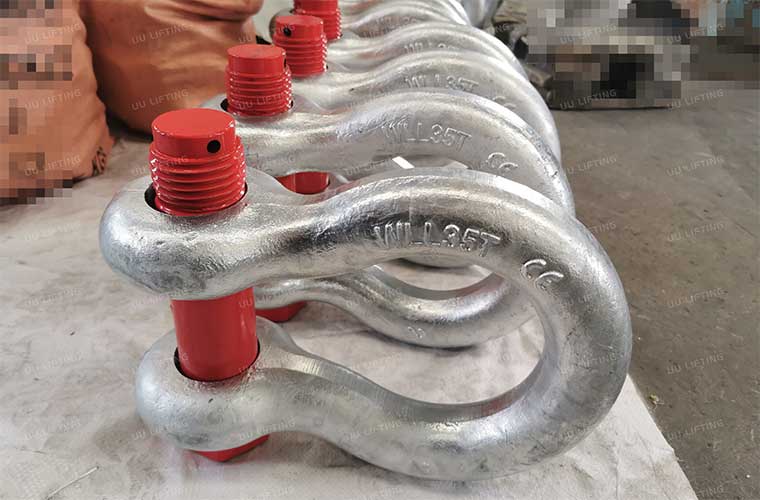
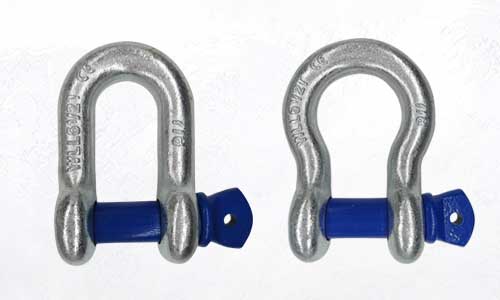
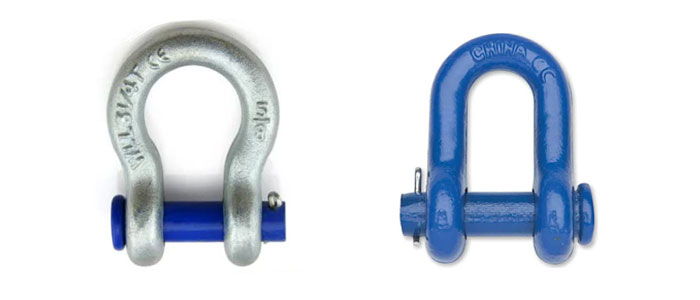
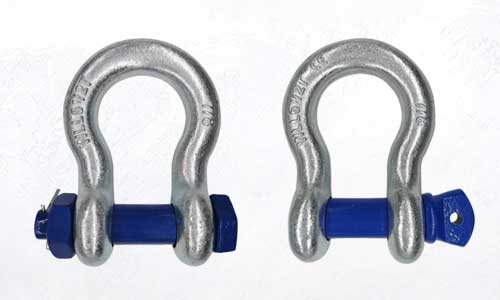
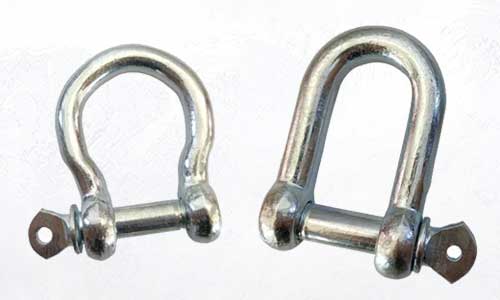
1. Bow Shackles (or Anchor Shackles): Characterized by their larger, more rounded “O” shape, these shackles are ideal for multi-dimensional load applications, allowing for greater flexibility in the angle of the load.

Lifting Anchor & Bow Shackles
Lifting D Shackles

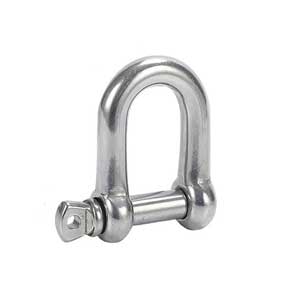
2. D Shackles (or Chain Shackles): These have a narrower “D” or “U” shape and are more suitable for straight-line pulling or lifting, offering a more direct line of force.

3. Screw Pin Shackles: Featuring a pin that screws into the shackle body, these are used for applications where the shackle needs to be frequently connected and disconnected.

Lifting Screw Pin Shackles
Bolt Shackles

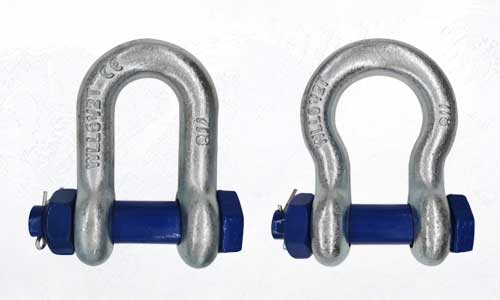
4. Bolt-Type Shackles: These have a bolt and nut with a cotter pin for securing, ideal for more permanent or long-term applications where the shackle isn’t frequently removed.

5. Round Pin Shackles: Containing a round pin secured by a cotter pin, these shackles are used in situations where the load is static, and there’s little risk of the pin rotating.
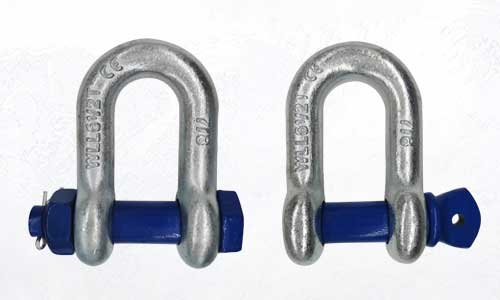
Round Pin Shackles
Snap Shackles

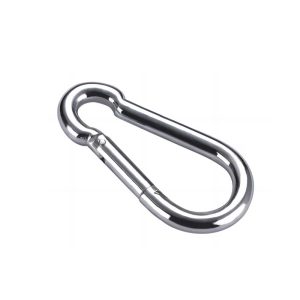
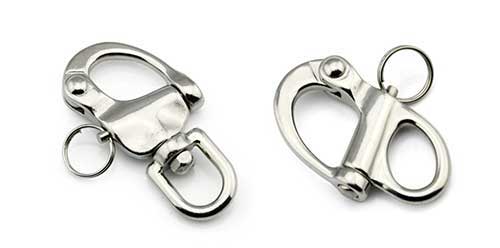
6. Snap Shackles: Equipped with a spring-activated mechanism for quick release, these are commonly used in marine and stage rigging.
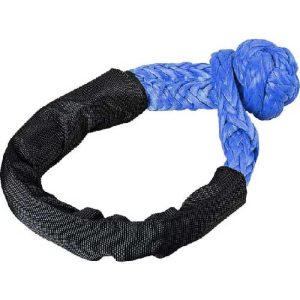
7. Webbing and Rope Shackles: Designed specifically for use with soft lifting slings, like synthetic webbing or rope, these prevent damage to the sling material.

Webbing and Rope Shackles

Chapter 6

What Are the Parts of a Shackle?

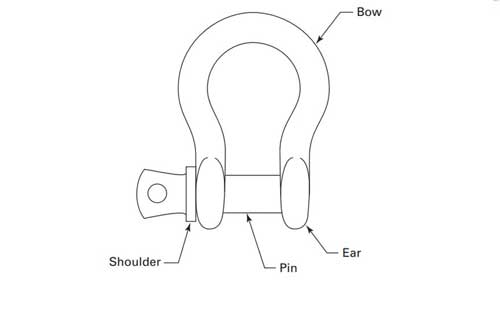
A typical lifting shackle consists of several main parts. The exact design may vary according to the shackle type and pin configuration.

  1. Shackle Body: The main component, usually U-shaped or bow-shaped, is designed to bear the load. It’s the part through which the lifting medium (like a rope, chain, or sling) is attached.
  2. Pin: This is the securing element that passes through the holes at the ends of the shackle body. The pin can be of different types, such as a screw pin, a bolt-type pin, or a round pin, each suited for specific applications.
  3. Threaded Section: Found in screw pin shackles, this section on the pin allows for secure screwing into the shackle body, making it easy to attach and detach.
  4. Bolt and Nut (in Bolt-Type Shackles): Some shackles use a bolt and nut mechanism instead of a screw pin. This setup is often more secure and used in permanent or semi-permanent applications.
  5. Cotter Pin (in Bolt-Type and Round Pin Shackles): A small pin or clip used to prevent the bolt or round pin from loosening or accidentally coming out during use.
  6. Shoulder (in Some Designs): The area where the shackle body curves to meet the pin holes. In some designs, the shoulder is reinforced to handle additional load stress.
4 parts of shackles

Chapter 7

How Does a Lifting Shackle Work?

A lifting shackle creates a removable connection between lifting equipment and a load.

  1. Load Connection: Place the sling, chain, wire rope, or other approved component inside the shackle body.
  2. Pin Installation: Insert the correct pin through the shackle holes and tighten or secure it according to the shackle design.
  3. Load Transfer: During lifting, the shackle body and pin transfer the load between the connected components.Safety Considerations When Using Shackles
  4. Load Direction: Use the shackle only in the load direction and configuration allowed by the manufacturer.
  5. Pre-Use Inspection: Check the shackle body, pin, threads, markings, deformation, corrosion, and visible damage before use.
  6. Working Load Limit: Never exceed the marked WLL or use a damaged, modified, or incorrectly assembled shackle.


For lifting applications, a qualified person must select, install, and inspect the shackle according to the manufacturer’s instructions and applicable safety requirements.

Chapter 8

What should you pay attention to when buying shackles?

When buying lifting shackles, check the following points before placing an order:

  1. Working Load Limit: Confirm that the marked WLL is suitable for the intended load and application.
  2. Shackle Type: Choose a bow, anchor, D, chain, screw pin, bolt-type, or round pin shackle according to the connection and load direction.
  3. Size and Dimensions: Check the body size, pin diameter, inside width, and inside length.
  4. Pin Configuration: Confirm whether a screw pin, bolt-type pin, or round pin is suitable for the installation and removal requirements.
  5. Material and Surface Finish: Select the material and finish according to the load requirements and working environment.
  6. Product Markings: Confirm that the shackle has clear markings for size, WLL, manufacturer information, or other required details.
  7. Inspection and Testing: Ask about material inspection, dimensional inspection, proof testing, and available inspection documents.
  8. Packaging and Labeling: Confirm carton, pallet, label, and OEM packaging requirements before production.
  9. Production and Delivery: Confirm the production schedule, shipping terms, and destination arrangements in the quotation.
  10. Supplier Communication: Choose a supplier that can clearly answer questions about specifications, quality, testing, and shipment.

Chapter 9

What materials are the shackles made of?

Lifting shackles may be supplied in different steel materials and surface finishes. The correct choice depends on the working load limit, shackle type, lifting application, and working environment.

stainless steel
  1. Alloy Steel: Commonly selected for lifting shackles that require high strength and suitable load capacity.
  2. Carbon Steel: Used for selected general-purpose shackle applications according to the manufacturer’s specification.
  3. Galvanized Steel: Provides a protective zinc coating for many outdoor and general industrial environments.
  4. Stainless Steel: May be selected for corrosion-resistant applications, including some marine and outdoor environments. The available grade and working load must be confirmed before use.
  5. High-Tensile Steel: May be used for specific shackle designs that require higher strength. The manufacturer’s product data must confirm the application and WLL.

Always check the material, grade, surface finish, working load limit, and applicable product requirements before selecting a lifting shackle.

Chapter 10

Factors to Consider When Choosing A Shackle Manufacturer

When choosing a lifting shackle manufacturer, consider the following factors:

  1. Product Range: Confirm that the manufacturer supplies the required shackle types, sizes, pin configurations, materials, and finishes.
  2. Technical Information: Ask for clear product specifications, dimensions, WLL information, drawings, and installation guidance.
  3. Quality Control: Check how the manufacturer controls raw materials, forging or forming, machining, heat treatment, surface treatment, assembly, and final inspection.
  4. Testing and Documents: Confirm whether the supplier can provide the testing or inspection documents required for your order.
  5. Production Capacity: Check whether the manufacturer can support your regular order quantity and delivery schedule.
  6. Customization: Confirm whether the supplier can provide custom markings, packaging, labels, sizes, or other approved requirements.
  7. Export Experience: Review the supplier’s ability to prepare export packaging and coordinate international shipment.
  8. Communication: Choose a supplier that answers specification, quality, payment, and delivery questions clearly.
  9. Quotation Details: Compare product specifications, MOQ, payment terms, delivery time, and shipping terms instead of comparing price alone.

Chapter 11

Galvanized VS Stainless Steel Finishes

When comparing galvanized and stainless steel finishes, particularly for applications like shackles in lifting and rigging, it’s important to consider their differences in terms of corrosion resistance, strength, application environments, and cost:

1. Corrosion Resistance:

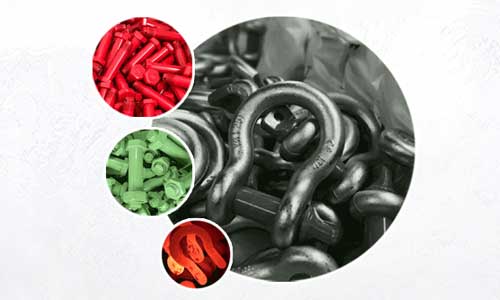
    • Galvanized Steel: This involves a zinc coating applied to carbon or alloy steel. The galvanization process provides good protection against corrosion, particularly in outdoor and industrial environments. However, if the zinc layer is damaged, the underlying steel can corrode.
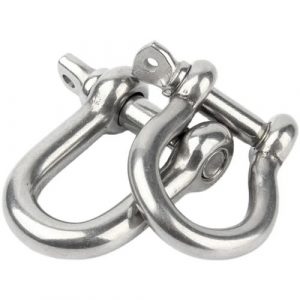
    • Stainless Steel: Inherently resistant to corrosion due to its chromium content, which forms a passive protective layer. Stainless steel is especially suited for highly corrosive environments, like marine or chemical exposure.
Galvanized Shackles
Galvanized Shackles

2. Strength and Durability:

    • Galvanized Steel: The underlying steel provides strength, making galvanized steel suitable for heavy-duty applications. However, the zinc coating can be compromised under extreme conditions or if physically damaged.
    • Stainless Steel: Generally strong, but certain grades can be less durable than galvanized steel. Its strength-to-weight ratio is often a crucial factor in its selection.

3. Application Environments:

    • Galvanized Steel: Commonly used in general outdoor, industrial settings and where there is exposure to moisture and certain chemicals.
    • Stainless Steel: Ideal for environments with high salt content, such as marine or coastal areas, and where cleanliness and hygiene are priorities (e.g., food processing, medical).

4. Cost:

    • Galvanized Steel: Typically more cost-effective than stainless steel. The process of galvanization adds minimal cost to the base steel material.
    • Stainless Steel: Generally more expensive, with prices varying significantly based on the grade and composition. The higher cost is due to its enhanced corrosion resistance and longevity in harsh environments.
Stainless Steel Shackles

5. Maintenance and Longevity:

    • Galvanized Steel: This may require maintenance if the zinc layer is damaged. Its lifespan can be shorter in extremely corrosive environments.
    • Stainless Steel: Low maintenance due to its corrosion resistance and does not require additional coating. It often has a longer lifespan in corrosive environments.
In summary, the choice between galvanized and stainless steel finishes depends on factors like specific environmental conditions, required strength, budget constraints, and longevity expectations. For rigorous, high-corrosion settings, stainless steel is usually the preferred choice, whereas galvanized steel is often selected for general outdoor or industrial applications where high durability and cost-effectiveness are key considerations.
Chapter 12

Request a Quote for Shackles

Looking for shackles for your next wholesale order? Send us the shackle type, required working load limit (WLL), dimensions, material, surface finish, quantity, and destination.

For repeat orders or custom requirements, please include drawings, product markings, or packaging details where available. We will review your requirements and confirm available specifications, pricing, and estimated production time.

Ask For A Quick Quote

We will contact you within 1 working day, please pay attention to the email with the suffix “@uulifting.com”.