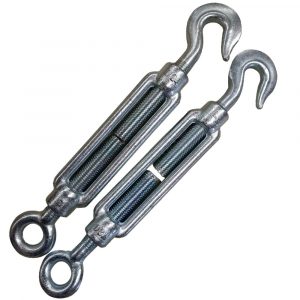
At UU LIFTING, we manufacture turnbuckles for wholesale buyers and distributors. Our range includes DIN 1480, US type, JIS type, and forged turnbuckles, with hook, eye, and jaw end fittings. Browse the products below to compare styles and contact us for specifications or a quote.
UU LIFTING supplies turnbuckles to distributors, rigging companies, and project buyers. Available designs include DIN 1480, US type, JIS type, commercial, and forged turnbuckles in hook, eye, and jaw combinations.
We support bulk orders, custom sizes, finishes, packaging, and private labeling. Buyers can request product specifications, samples, testing details, and quotations before placing an order.
Choose a turnbuckle based on the required standard, thread size, material, finish, and working load. UU LIFTING supplies DIN 1480, US type, JIS type, commercial, and forged turnbuckles for wholesale and project orders.
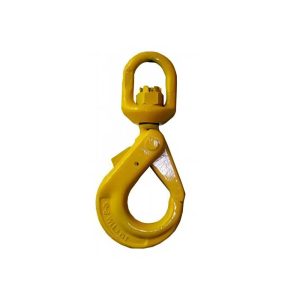
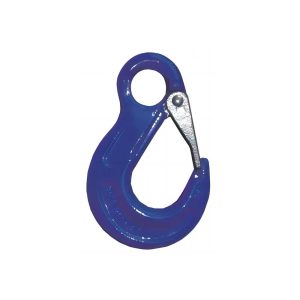
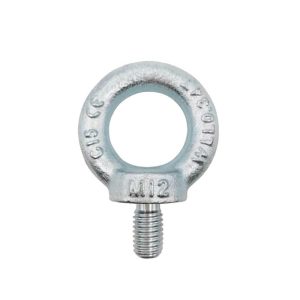
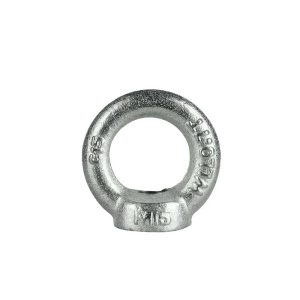
Select the end fittings according to the required connection method and application. Hook ends allow quick attachment, eye ends provide closed connection points, and jaw ends connect with removable pins. Available combinations include hook and eye, hook and hook, eye and eye, jaw and jaw, and jaw and eye turnbuckles.
UU LIFTING manufactures turnbuckles for lifting, rigging, construction, marine, and industrial tensioning applications. We supply DIN 1480, US type, JIS type, commercial, and forged turnbuckles with hook, eye, and jaw end fittings.
Wholesale buyers can select different sizes, materials, finishes, packaging, and product markings. Custom specifications and samples are available for distributors and project purchasing.
Experience customized excellence with UU LIFTING’s rigging and lifting gear, crafted to cater precisely to your project’s requirements, offering unmatched flexibility and personalization.
Explore the Distinctive Turnbuckles at UU LIFTING!
Discover the UU LIFTING difference: more than just turnbuckle manufacturers, we’re your excellence partners with exceptional customer service that sets us apart. Elevate your experience with our unmatched commitment.

Got Creative Concepts? We'll Make Your Dreams Come True!

Our production facilities include automated coating lines, high-speed production equipment, and dedicated mold-making capabilities for standard and custom turnbuckles.

Bulk production and stable material sourcing help us provide competitive pricing for wholesale turnbuckle orders. Send us the required type, thread size, material, finish, quantity, and packaging details for an accurate quote.

Our team can review drawings, dimensions, materials, finishes, markings, and packaging requirements for custom turnbuckle orders. We also provide product information and order updates from quotation through delivery.
To make things easier for you, we’ve compiled a list of frequently asked questions about our turnbuckles. If you have any additional questions, feel free to contact us.
Turnbuckles are commonly made from carbon steel, forged steel, or stainless steel. Galvanized and other protective finishes can improve corrosion resistance. The correct material depends on the required load, operating environment, and applicable standard.
Yes. Buyers may arrange a factory visit or appoint an independent inspection company. Please contact UU LIFTING before the visit so we can confirm the schedule, products to be inspected, testing requirements, and required documents.
Lead time depends on the turnbuckle type, quantity, material, finish, packaging, and customization requirements. We confirm the production schedule after reviewing the complete order specifications. Shipping time also depends on the destination and transport method.
Turnbuckles can be packed in cartons, woven bags, or other export-ready packaging based on product size, quantity, and transport requirements. Custom labels, barcodes, branded packaging, and pallet arrangements can be discussed for wholesale orders.
Wholesale buyers can order turnbuckles directly from UU LIFTING. Send us the required type, size, working load, material, finish, quantity, and packaging requirements so we can recommend suitable options and prepare a quotation.
Choose a turnbuckle by checking the required working load, thread size, adjustment range, end fittings, material, finish, and operating environment. Confirm the applicable standard and use the manufacturer’s specifications before installation.
Yes. UU LIFTING can customize turnbuckle dimensions, end fittings, materials, finishes, markings, and packaging. Send your drawing, required standard, working load, order quantity, and application details so our team can review feasibility.
Common turnbuckles include DIN 1480, US type, JIS type, commercial, and forged designs. End-fitting combinations include hook and eye, hook and hook, eye and eye, jaw and jaw, and jaw and eye. The correct type depends on the connection method, load, and application.
Measure the thread diameter, body length, closed length, open length, and take-up range. Take-up is the amount of adjustment between the fully closed and safely opened positions. Also record the hook, eye, or jaw dimensions to confirm compatibility.
Turnbuckles adjust the tension or length of wire rope, cable, tie rods, and other tensioning systems. Choosing the correct product requires more than matching the general shape.
For wholesale or project purchasing, compare the required standard, working load, thread size, adjustment range, end fittings, material, finish, and inspection documents. The guide below explains these points and helps buyers prepare accurate specifications.
1. What is A Turnbuckle?
2. What Are The Types of Turnbuckles?
3. What Are The Materials of Turnbuckle?
4. Specification of Turnbuckle
5. How Does Turnbuckle Work?
6. How to Install Turnbuckle?
7. How to Measure A Turnbuckle?
8. How to Use A Turnbuckle?
9. What Are The Advantages of Turnbuckle?
10. In Summary
Chapter 1
A turnbuckle is a tension-adjusting device with a central body and two oppositely threaded end fittings. Rotating the body draws the fittings together or pushes them apart, changing the tension or length of wire rope, cable, or tie-rod systems.
Chapter 2
Turnbuckles can be compared in two ways: by product standard or design, such as DIN 1480, US type, and JIS type; and by end fittings, such as hooks, eyes, and jaws. Choose the end fittings to match the connection points, then check the size and working load in the product specifications.
1. Hook: A hook end provides a quick and easy connection for temporary or adjustable applications, allowing it to hook into eyes or loops.
2. Eye: An eye end is a closed loop that offers a secure attachment point, typically when a permanent or semi-permanent connection is required.
3. Jaw (or Fork): A jaw end includes a U-shaped yoke and a pin, offering a detachable yet strong connection that can be used with shackles, wire rope, or other rigging hardware.
4. Stub End: Stub end turnbuckles are designed for direct attachment to structural components or use with custom end fittings, allowing for welding or other forms of permanent attachment.
5. Threaded Rod: Some turnbuckles use a threaded rod end for direct screwing into a component or fitting, ideal for precise adjustments in tensioning systems.
Chapter 3
The Turnbuckles materials we produce include the following categories:
Stainless Steel: Known for its corrosion resistance, stainless steel turnbuckles are ideal for marine applications and environments where exposure to chemicals or moisture is everyday. They offer excellent durability and strength.
Carbon Steel: Carbon steel is highly strong and commonly used in industrial and construction applications. Carbon steel turnbuckles may be galvanized or coated to offer enhanced corrosion resistance.
Galvanized Steel: This material involves coating regular steel with zinc to protect against rust. Galvanized steel turnbuckles are more affordable than stainless steel and are widely used in outdoor and marine applications where corrosion resistance is needed.
Alloy Steel: Alloy steel turnbuckles are made by adding other elements to carbon steel, improving its mechanical properties. This makes them suitable for heavy-duty applications requiring high strength and durability.
Aluminum: Offers a lightweight option with good corrosion resistance. Aluminum turnbuckles are suitable for applications where weight is a concern, such as in specific marine and aerospace contexts.
Titanium: Known for its exceptional strength-to-weight ratio and corrosion resistance, titanium turnbuckles are used in specialized applications where weight savings and resistance to harsh environments are critical.
Brass: While not as strong as steel or titanium, brass turnbuckles are corrosion-resistant and often used in decorative applications or environments where non-sparking materials are required.
Chapter 4
Chapter 5
What is the working principle of the turnbuckle screw? Let us introduce how it works in detail:
Basic Components
A turnbuckle consists of three main parts:

Operating Mechanism
Thread Direction: Each end fitting is threaded in opposite directions; one is right-hand threaded, and the other is left-hand threaded. This configuration is crucial for the operation of the turnbuckle.
Tension Adjustment: The central body (the barrel or frame) is turned to adjust the tension. As you rotate the body, the end fittings move either towards or away from each other, depending on the direction of the turn. This action either increases or decreases the tension on the rope, cable, or rod attached to the turnbuckle.
Locking Mechanism: Once the desired tension is achieved, the turnbuckle may have a locking mechanism or be secured with lock nuts to prevent loosening. This ensures the tension remains constant until manually adjusted again.

Application Examples
Chapter 6
Installing a turnbuckle involves several key steps to ensure a secure and efficient setup. The following are my suggestions for reference only.
General Steps for Installing a Turnbuckle:
1. Prepare the Materials: Gather the turnbuckle, cables or rods it will be attached to, and any tools needed for the installation, such as wrenches or pliers.
2. Inspect the Turnbuckle: Check it for defects or damage before installation to ensure it can safely bear the load.
3. Loosen the Turnbuckle: Unscrew it to its most extended length to make installation easier. Turnbuckles typically have a right-hand thread on one end and a left-hand thread on the other.
4. Attach the Ends: Connect one end of the turnbuckle to a fixed point and the other to the cable or rod that requires tensioning. Depending on the turnbuckle’s design and the application’s requirements, this might involve using eye bolts, hooks, or jaw ends.

5. Adjust for Tension: Once both ends are securely attached, turn the turnbuckle body to draw the ends closer together, creating tension in the cable or rod. Continue adjusting until you reach the desired tension level.
6. Secure the Turnbuckle: After achieving the correct tension, secure it to prevent it from loosening over time. Depending on the turnbuckle type and application, this might involve tightening lock nuts or using safety wire.
7. Final Inspection: Perform a final check to ensure everything is secure and the turnbuckle is installed correctly. Verify that there’s no undue stress on any component and that the turnbuckle can safely support the load.
Chapter 7
Measuring a turnbuckle accurately is essential for ensuring it fits your specific application and performs its function correctly. Here is my opinion to answer this question: How do you measure a turnbuckle?
1. Identify the Components: A turnbuckle consists of three main parts: the body and two end fittings (hooks, eyes, or jaws). Understanding these components is crucial for accurate measurement.

2. Measure the Body Length: The body length is measured from end to end of the turnbuckle body, excluding the end fittings. This measurement is important for determining the turnbuckle’s size and the range of tension it can accommodate.
3. Measure the End Fittings: Measure the length of each end fitting. This measurement is taken from where the fitting exits the body to its terminal end. If using hooks or eyes, measure the entire length of the hook or eye. For jaw ends, measure from the pin center in the jaw to the point where the jaw meets the body of the turnbuckle.
4. Determine the Thread Size: Measure the diameter of the threaded portion of the end fittings. This is essential for ensuring compatibility with other rigging components.

5. Measure the Take-Up: The take-up is the length a turnbuckle can adjust. This is calculated by fully closing the turnbuckle and then fully opening it, measuring the difference in length. This tells you how much tension adjustment you can achieve.
6. Note the Opened and Closed Lengths: For comprehensive specifications, record the total length of the turnbuckle when fully opened (end fittings fully extended) and when fully closed (end fittings screwed in as far as possible).
Chapter 8
Let me briefly summarize the steps for using Turnbuckle: 1. Identify the Turnbuckle Type. 2. Inspect the Turnbuckle. 3. Loosen the Turnbuckle. 4. Attach the End Fittings. 5. Adjust for Tension. 6. Check Alignment. 7. Secure the Turnbuckle. 8. Final Inspection. 9. Regular Maintenance. 10. Safety Precautions.
1. Identify the Turnbuckle Type: Turnbuckles come in various sizes and styles, such as hook and eye, eye and eye, or hook and hook. Choose the type that best suits your application.

2. Inspect the Turnbuckle: Before use, inspect the Turnbuckle for any signs of wear, damage, or corrosion to ensure it is safe to use.
3. Loosen the Turnbuckle: To begin, turn the Turnbuckle body counterclockwise to loosen and extend it to its entire length. This makes it easier to attach the end fittings to your anchor points.

4. Attach the End Fittings: Connect the end fittings (hooks, eyes, or jaws) to the respective anchor points. Ensure these connections are secure and the turnbuckle is aligned with the tensioning direction.
5. Adjust for Tension: Rotate the turnbuckle body clockwise to tighten and draw the end fittings closer together. This action tensions the cable, rope, or chain. Continue to adjust until you achieve the desired tension level.
6. Check Alignment: Ensure the turnbuckle remains aligned with the tensioning direction as you adjust. Misalignment can cause uneven loading and potential failure.
7. Secure the Turnbuckle: Once the desired tension is achieved, secure the turnbuckle. If your turnbuckle has locking nuts, tighten them against the body to prevent it from loosening during use.

8. Final Inspection: Perform a final inspection to ensure everything is properly tightened and secured. Check the tension to ensure it is appropriate for your application.
9. Regular Maintenance: Inspect the turnbuckle and connected materials for signs of wear, corrosion, or damage. Adjust tension to accommodate any stretching or changes in the connected materials.
10. Safety Precautions: Always wear appropriate safety gear when working with turnbuckles. Follow any specific safety guidelines related to your application to prevent accidents.
Chapter 9
The following are The Advantages of Turnbuckle summarized by our company.
1. Adjustable Tension: Turnbuckles allow for precise tension adjustment of cables, ropes, and rods, which is crucial for structural stability and alignment.
2. Versatility: They are used in a wide range of applications, from securing loads in transportation to adjusting sails on boats and supporting structures in construction.
3. Strength and Durability: Made from high-strength materials like steel, turnbuckles can handle heavy loads and resist wear and tear, ensuring long-term reliability.
4. Easy Installation and Use: Turnbuckles are designed for easy installation and adjustment, allowing quick setup and modifications without specialized tools.
5. Safety: By ensuring proper tension and stability, turnbuckles contribute to the safety of structures, preventing accidents caused by loose or sagging cables.
6. Corrosion Resistance: Many turnbuckles are made with corrosion-resistant finishes or materials, making them suitable for outdoor or marine environments where they are exposed to harsh elements.
7. Cost-Effective: They provide a cost-effective solution for tensioning and securing systems, reducing the need for more complex or expensive hardware.
8. Load Distribution: Turnbuckles help evenly distribute loads across structures, minimizing stress points and reducing the risk of structural failure.
Chapter 10
Choosing the right turnbuckles for your project can seem daunting, especially for those new to the field. The variety of sizes, materials, and types can make the decision process complex. However, navigating these choices becomes significantly more straightforward with a solid understanding of turnbuckle functionality and applications. Knowledge is power; in this case, it transforms a potentially overwhelming task into a straightforward selection process.
Our company brings over twenty years of experience in the lifting and rigging equipment industry, setting us apart as leaders in quality and innovation. We don’t just sell products; we ensure each item undergoes thorough testing to meet the highest durability and performance standards. Our commitment to excellence extends beyond our products. Our dedicated team is ready to provide expert guidance, answer any questions, and even develop customized samples tailored to your unique needs. Trust in our expertise to elevate your project with top-tier rigging solutions.
We will contact you within 1 working day, please pay attention to the email with the suffix “@uulifting.com”.