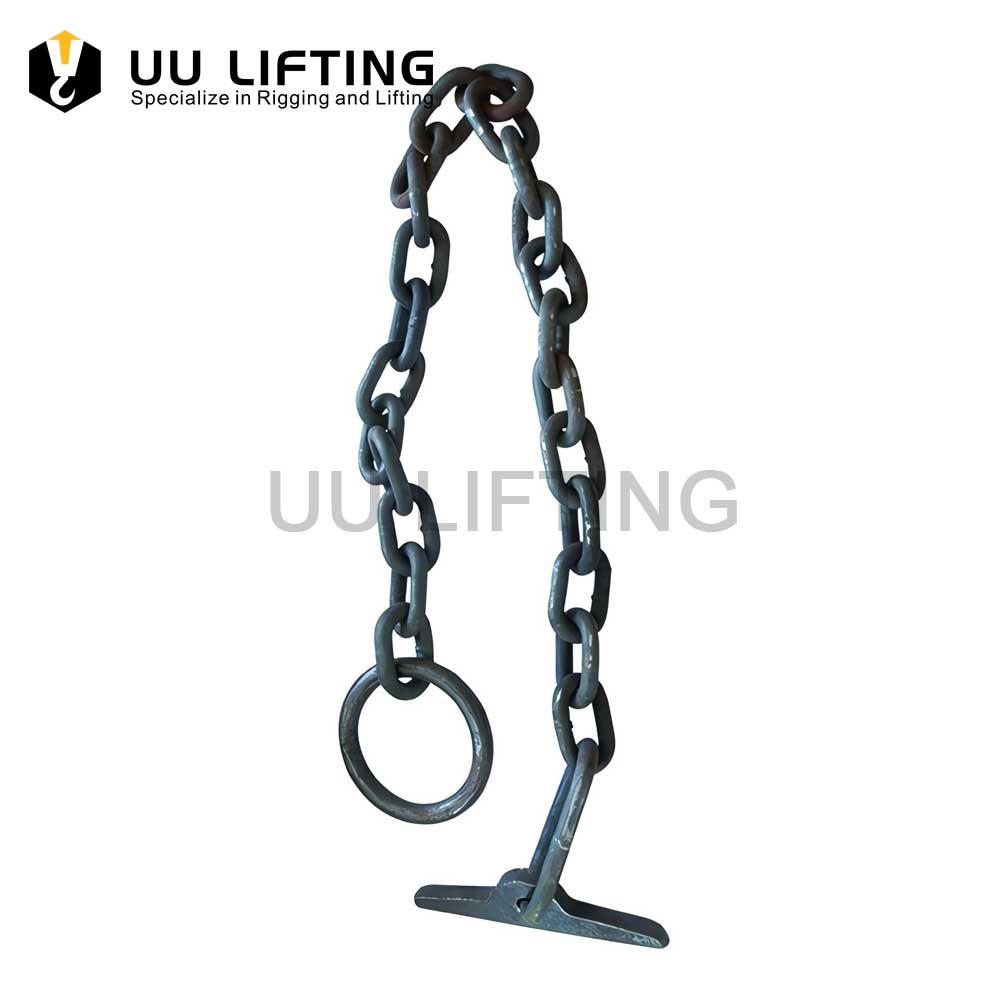
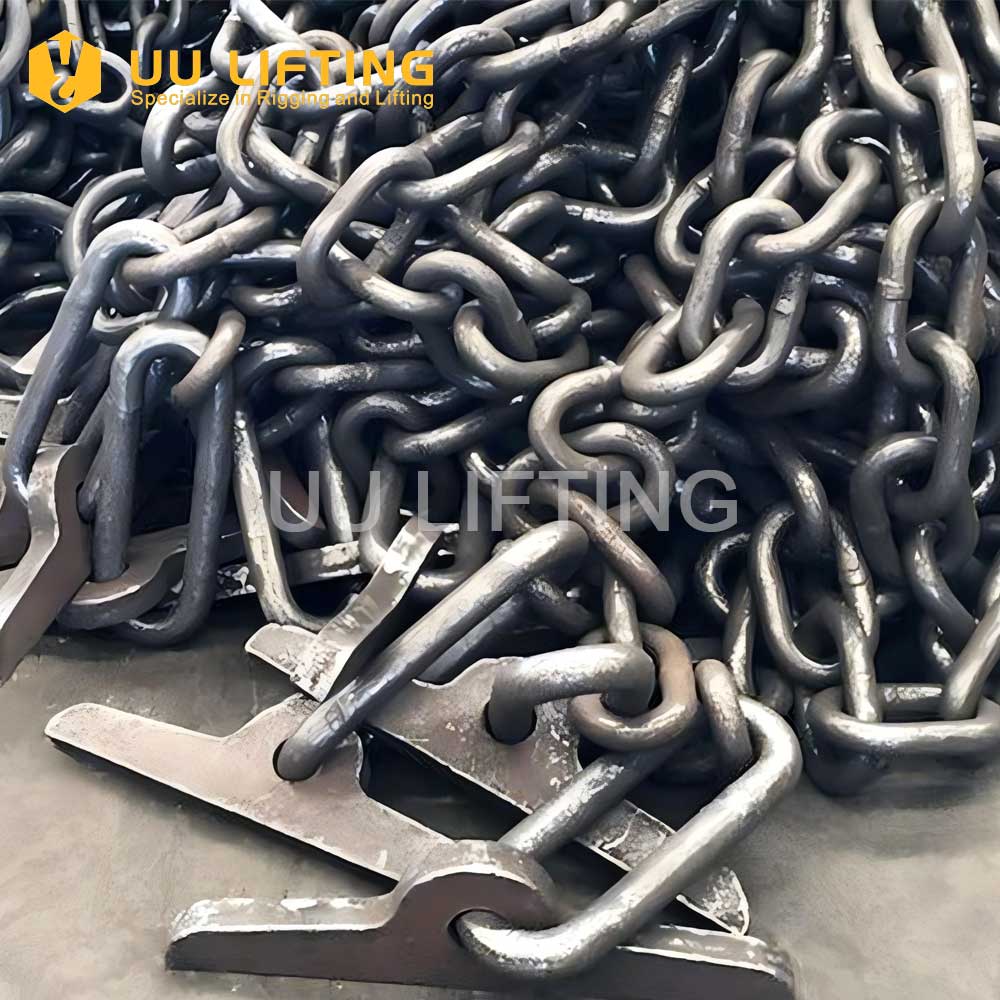
What is a Boom Chain and Why is it Critical for Your Operation?
A boom chain is a heavy-duty chain used to connect and secure logs or floating barriers, known as booms. It is specifically designed for high strength and exceptional corrosion resistance. This makes it essential for marine, logging, and environmental containment work.
I talk to buyers like Mark from America all the time. He’s smart and knows his business, but he’s not a technical expert on rigging. He needs to trust his supplier to provide the right product for the right job. He buys a lot of lifting slings, but sometimes a job needs a specialized chain. Understanding the details is key. It helps you avoid costly mistakes and ensures your operation is safe. This is true for all rigging, but especially for something like a boom chain that works in tough conditions. Let’s look closer at what makes these chains special.
How is a Boom Chain Different from a Standard Lifting Chain?
Boom chains prioritize corrosion resistance and durability in wet environments, often using thick galvanization. Standard lifting chains are rated for overhead lifting. They focus on tensile strength and grade requirements, like Grade 80, that boom chains may not need.
When a customer asks me for “just a chain,” I always ask more questions. The details matter. A boom chain and a lifting chain might look similar, but they are built for very different jobs. I explain it to my customers by breaking it down into a few key areas. It helps them see why one chain costs more than another and why paying for the right features is a good investment. It’s not about spending more; it’s about spending smart.
Material and Finish
The biggest difference is the finish. Boom chains are almost always hot-dip galvanized. This process adds a thick layer of zinc to the steel. Zinc protects the chain from saltwater and constant moisture, which can cause rust. A standard lifting chain, like a Grade 80 alloy chain, is often “self-colored” (black) or lightly oiled. It’s incredibly strong for lifting, but it will rust quickly in a marine setting.
Design and Purpose
Lifting chains are designed for one thing: lifting heavy loads straight up. Their strength is tested and certified for overhead safety. Boom chains are designed for securing and towing. They handle constant, lower-intensity stress and abrasion. The main job is to hold things together, not lift them.
Strength vs. Durability
This table makes the difference clear:
Feature
Boom Chain
Standard Lifting Chain (e.g., Grade 80)
Primary Goal
Corrosion resistance, securing loads
High tensile strength, overhead lifting
Material Finish
Hot-dip galvanized
Self-colored, painted, or lightly oiled
Main Application
Log booms, containment barriers
Cranes, hoists, chain slings
Key Strength
Durability in harsh environments
Certified Working Load Limit (WLL)
Thinking about this helps buyers like Mark understand they are not just buying steel. They are buying a solution for a specific problem.
What are the Key Applications for Boom Chains?
Boom chains are mainly used in the logging industry to create log booms for water transport. They are also essential for deploying oil containment booms, debris barriers, and aquaculture pens. In these jobs, strong, corrosion-resistant connections are vital.
I remember working with a new distributor in Canada. He was getting into the logging supply business. He thought he could sell our standard alloy chains to his customers. I had to explain why that was a bad idea. His cucustomers’ogs would be floating in a river for weeks. A standard chain would rust and fail. He needed true boom chains. Understanding the application is the first step in choosing the right product—ItIt’she foundation of safety and efficiency.
Logging and Forestry
This is the classic use for boom chains. Logging companies float cut trees down rivers to a sawmill. They use long, floating barriers, or booms, to guide the logs. Boom chains connect these sections of the boom. They also connect the logs themselves into large rafts. The chains must be strong enough to hold thousands of pounds of logs against a river current. And they must survive being wet all the time.
Environmental Containment
After an oil spill in the ocean or a lake, teams deploy containment booms. These are floating barriers that trap the oil so it can be cleaned up. Boom chains are the connectors that hold the boom sections together to form a long, unbroken wall. They must be reliable because a single failed link could let the oil escape. They are also used for booms that catch floating trash and debris in rivers.
Aquaculture and Marine Uses
Fish farms use large pens or nets to raise fish in the ocean. Boom chains are used to anchor these structures to the seafloor. They connect the pens to mooring lines and buoys. The constant movement of the water and the corrosive salt mean only a high-quality, galvanized chain will last. This is a growing market, and having the right certified products is important.
What Should You Look for When Buying Boom Chains?
Look for high-quality steel and a thick, uniform hot-dip galvanized finish. Check for strong, properly welded links. Always ask for the manufacturer’s certificates and understand their quality control process. DoDon’tocus only on the lowest price.
One of MaMark’siggest pains is supplier communication and quality. HeHe’sad shipments delayed and has even received products with fraudulent certificates. It’s a huge problem. That’s why at UU LIFTING, we are so focused on transparency. I want my customers to know what they are buying and to trust our process. When you’re buying something as critical as a boom chain, you need to be an informed buyer. You need to know the right questions to ask.
Check the Galvanization
The zinc coating is the chain’s armor. A good hot-dip galvanization is thick and even. It should look dull gray and might feel slightly rough. Be suspicious of a very shiny, thin-looking coating. This could be electro-galvanization, which is much less durable. Look for any bare spots or areas where the coating is flaking off. This is a sign of a poor-quality job.
Inspect the Welds
Every link in a chain has a weld. This is a potential weak point. On a quality chain, the weld will be smooth and fully fused with the rest of the link. You should not see any cracks, pits, or sharp edges. A bad weld looks messy and uneven. I tell my quality control team that the weld tells the story of the manufacturing process. A good weld means a careful process.
Ask for Real Certification
Never accept a chain without documentation. You need a Mill Test Certificate (MTC). This document shows the chemical properties of the steel and the results of strength tests. But be careful. Some suppliers create fake certificates. A reliable supplier like us will always provide a real, traceable MTC for every batch. We can even show you videos of the product being tested. This is how you build trust. It’s more important than a low price.
OUR FACTORY
Raw materials of our products are made of high-quality steel that meets the standards, and the raw materials are traceable. And multiple production lines and machines minimize lead times for rigging and lifting equipment.
Raw Material
Forged
Cast
Chain Machine
Heat Treatment
Powder Plastified
Package
Warehouse
MANUFACTURING PROCESSES
With eight automatic forging and semi-automatic forging line of up to 1600ton press machines and specialized drillng, tapping, heat treatment and inspection equipment. Strict and standardized production process ensures you receive perfect products.
QUALITY CONTROL
All rigging and lifting products are subjected to strict working tension and breaking the tension test. Complied with ISO9001 and CE certification. Our promise to you: Guaranteed safety at work for people and materials.