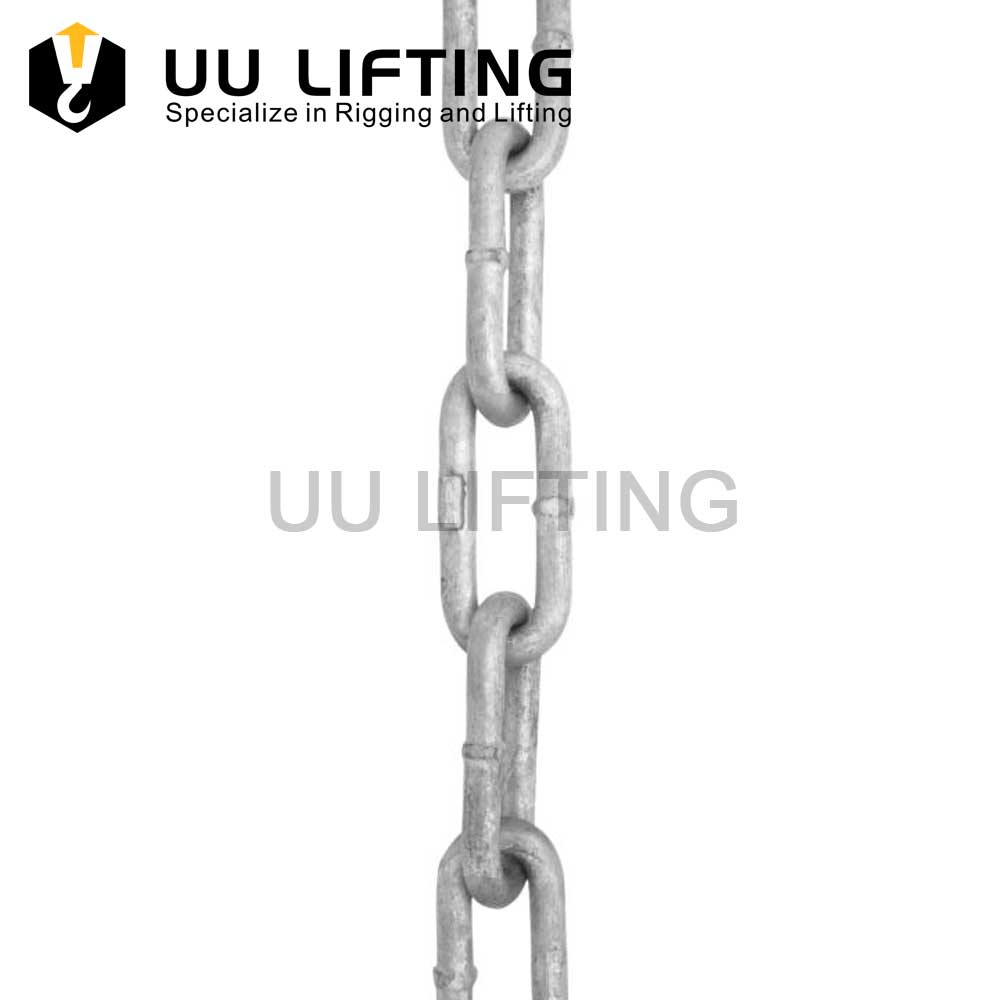
What Is A Dock Fender Chain And Why Is It So Important?
A dock fender chain is a heavy-duty chain system used in marine environments. It securely anchors rubber fenders to a dock or pier. This system absorbs the impact from berthing vessels, protecting both the ship and the dock structure from damage.
I often talk to clients like Mark Shenng, a company owner from the U.S. He’s very focused on quality because he knows that a small component failure can lead to huge problems. He once told me about a competitor who lost a major contract because their fender system failed during a storm. This story always reminds me why we need to understand the entire system, not just one part. It’s about ensuring every link in the chain is strong and reliable. Let’s break down what that really means.
How does the chain system secure marine fenders?
The system uses chains attached to anchor points on the dock wall and to the fender itself. Tensioner chains adjust the height, while weight chains keep it stable. Shackles securely connect everything, ensuring the fender stays in place to absorb impacts effectively.
To really understand how it works, you have to look at the different forces at play. The system isn’t just one long chain; it’s a carefully designed setup of multiple chains, each with a specific job. This is something I always explain to buyers who are not technical experts, because it helps them see the value in a well-designed system over just buying the cheapest chain.
The Different Chains and Their Jobs
A typical setup involves several key parts. First, you have the anchor points. These are special brackets or lugs that are either bolted or welded directly onto the concrete or steel structure of the dock. The entire system’s strength starts here.
Next come the chains themselves:
Tensioner Chain: This chain connects the top of the fender to an upper anchor point on the dock. As the name suggests, its main job is to hold the fender up and allow for height adjustments based on the tide or the type of vessel.
Weight Chain: This chain hangs from the bottom of the fender, often with a heavy weight attached. Its purpose is to keep the fender hanging vertically and provide constant tension. This prevents the fender from floating up on the water or from being pushed up and out of place during impact.
Shear Chain: In some larger systems, you will also find shear chains. These run diagonally to provide lateral stability and stop the fender from moving sideways along the dock wall.
Together, this configuration creates a strong and stable system that holds the fender exactly where it needs to be, ready to protect the dock and the vessel.
What are the key components of a dock fender chain system?
The main components are the chains, shackles, and brackets. You need high-tensile steel chains for strength. Heavy-duty shackles, such as bow or anchor types, connect the chain to the fender and the dock. Brackets are the fixing points on the quay wall.
When I put together a quote for a client, I always list out each component separately. This helps people like Mark see exactly what they are buying. It’s not just “chain,” it’s a specific grade of chain, a specific type of shackle, and so on. Breaking it down helps everyone understand why quality in each part matters. Let’s look at the most common components you will find in one of these systems.
Selecting the Right Parts
Choosing the correct components is critical for safety and longevity. A mismatch in size or strength can cause the whole system to fail. Here is a simple table to show what to look for in each part.
The main load-bearing element. Usually, a stud link or an open link.
Description
Key Feature to Look For
Chain
Load capacity, Material compatibility with the dock structure, and Weld quality.
Connectors for the chain to the fender and anchor points.
Type (Anchor/Bow Shackles with safety pins), Material (Forged Alloy Steel), Safe Working Load (SWL).
Brackets/Lugs
Welded or bolted to the dock to anchor the system.
Load capacity, Material compatibility with the dock structure, Weld quality.
Swivels
Sometimes used in the chain assembly to prevent twisting.
Allows for rotation under load, reducing stress on the chain links.
Each feature is important. For example, using a shackle with a lower Safe Working Load than the chain makes the shackle a dangerous weak point. I always ensure that the SWL of every component in our systems exceeds the maximum expected force. This is the only way to build a system you can trust.
How do you choose the right materials and specifications?
Always choose materials designed for marine use. Hot-dip galvanized steel is the standard for corrosion resistance. For extreme conditions, stainless steel is better. Specifications like chain grade and shackle size must match the fender’s weight and expected impact forces.
This is probably the most important conversation I have with my clients. The technical details are what separate a system that lasts for twenty years from one that fails in five. It’s also where trust in your supplier is key, especially for someone like Mark, who is concerned about quality and getting authentic certifications.
Material Matters: Galvanized vs. Stainless Steel
The choice of material comes down to budget and the environment.
Hot-Dip Galvanized (HDG) Steel: This is the most common choice. The steel chain and components are dipped in molten zinc. This creates a thick, durable coating that protects the steel from rust. The zinc coating corrodes first, sacrificing itself to protect the steel underneath. It offers excellent protection for a reasonable cost.
Stainless Steel: The premium option. An alloy like Grade 316 stainless steel has chromium and molybdenum, which makes it extremely resistant to saltwater corrosion. It costs more upfront, but it requires less maintenance and can last longer in very harsh environments.
Understanding the Specifications
Beyond the material, you must get the technical specifications right.
Chain Diameter and Grade: A larger diameter means a stronger chain, but the grade is also very important. A higher-grade chain, like the G80 alloy chain we supply, has greater strength than a lower-grade chain of the same size. This can sometimes mean you can use a lighter chain, saving money and making installation easier.
Safe Working Load (SWL): I can’t stress this enough. The SWL of every single component must be calculated to handle the maximum forces. This includes the weight of the fender and the impact energy from the largest vessel that will use the dock. The system is only as strong as its weakest link.
Certifications: Always ask for a Mill Test Certificate (MTC) for any chain or shackle. This document proves the material’s chemical and physical properties. For marine use, approval from a classification society such as ABS, Lloyd’s, or DNV provides an additional layer of quality assurance. We provide these with all our shipments to give our clients complete peace of mind.
OUR FACTORY
Raw materials of our products are made of high-quality steel that meets the standards, and the raw materials are traceable. And multiple production lines and machines minimize lead times for rigging and lifting equipment.
Raw Material
Forged
Cast
Chain Machine
Heat Treatment
Powder Plastified
Package
Warehouse
MANUFACTURING PROCESSES
With eight automatic forging and semi-automatic forging line of up to 1600ton press machines and specialized drillng, tapping, heat treatment and inspection equipment. Strict and standardized production process ensures you receive perfect products.
QUALITY CONTROL
All rigging and lifting products are subjected to strict working tension and breaking the tension test. Complied with ISO9001 and CE certification. Our promise to you: Guaranteed safety at work for people and materials.