What Makes 8x41WS Line Contact Wire Rope So Special?
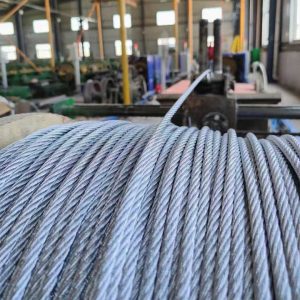
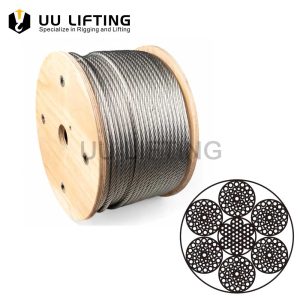
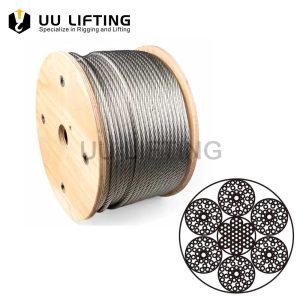
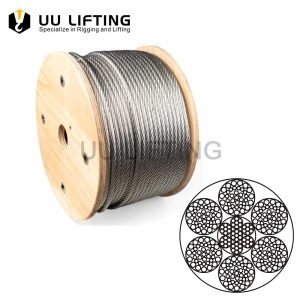
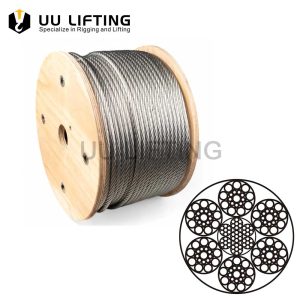
The 8x41WS is a high-performance wire rope with 8 strands, each containing 41 wires in a Warrington Seale (WS) pattern. Its “line contact” design means wires touch along their length, reducing internal friction and wear, making it extremely durable and crush-resistant for heavy lifting.
I’ve seen many clients like Mark struggle with rope selection. They know they need quality, but the technical jargon can be confusing. It’s easy to think all wire ropes are the same, but the details make all the difference. The numbers and letters in a rope’s name tell a very important story about its performance. Let’s break down exactly what makes this rope unique so that you can make a confident purchasing decision for your business.
What Do the Numbers and Letters in ‘8x41WS’ Mean?
‘8’ means the rope has 8 outer strands. ’41’ is the number of wires in each strand. ‘WS’ stands for Warrington Seale, a specific wire arrangement pattern. This combination creates line contact, improving durability. The rope usually has an Independent Wire Rope Core (IWRC).
I remember a conversation with Mark, a business owner from America. He understands value but isn’t a technical expert. He once ordered a standard 6-strand rope for a high-pressure winch application. It flattened on the drum almost immediately. He needed the crush resistance of an 8-strand rope like this one. Understanding the code prevents these costly mistakes.
Each part of the name “8x41WS” indicates a key feature.
Component
Meaning
Benefit for You
8
8 strands wrapped around a core
More flexible and fatigue-resistant than 6-strand ropes.
41
41 individual wires per strand
A high number of wires provides excellent flexibility for bending.
WS
Warrington Seale construction
Creates line contact between wires, reducing internal wear and friction.
IWRC
Independent Wire Rope Core
A strong steel core that prevents the rope from crushing on a drum.
The “WS” or Warrington Seale part is a big deal. It combines large outer wires for abrasion resistance with smaller inner wires for flexibility. And the Independent Wire Rope Core (IWRC) acts like a solid backbone. It provides rope support from the inside, which is critical when spooling multiple layers of rope onto a winch drum. It keeps the rope’s round shape and prevents it from being squashed.
Why is ‘Line Contact’ a Game-Changer for Durability?
Line contact means the wires within a strand are arranged to touch along a continuous line, not just at a single point. This distributes internal stress over a larger area. It drastically reduces friction and internal wire failures, significantly extending the rope’s service life
Think about it this way. A standard rope often has “point contact,” where wires cross and touch at tiny points. This is like balancing all your weight on the tip of a nail. All the pressure is focused on one small spot, causing friction and wear. Line contact, however, is like lying on a bed of nails. The pressure is evenly distributed along a long line. This simple difference has a massive impact on performance.
I had a client in South America who used point-contact ropes on a crane. The ropes were constantly moving and spooling. They failed inspection every six months due to internal wiring issues. It was costing them a fortune in downtime and replacements. I recommended they switch to an 8x41WS with line contact. Their rope service life more than doubled. For a procurement officer like Mark, this is a huge win. The initial cost might be slightly higher, but the total cost of ownership is much lower. Line contact directly reduces internal nicking, improves fatigue resistance, and gives you a much longer, safer service life from your investment.
Where Should You Use an 8x41WS Wire Rope?
Use 8x41WS wire rope for applications needing high flexibility, crush resistance, and fatigue resistance. It is ideal for crane hoist lines, multi-layer spooled winches, overhead cranes, and other heavy-duty lifting equipment where rope longevity and reliability are critical.
The key strengths of this rope make it perfect for specific jobs. You don’t use a hammer to turn a screw. In the same way, you shouldn’t use a general-purpose rope for a job that needs the special features of an 8x41WS. Its excellent crush resistance comes from its 8 strands and steel core. This is vital for winches that wrap many layers of rope on the drum. The outer layers can’t easily squash the inner layers, which prevents damage and extends the rope’s life.
Its fatigue resistance is also top-class. The high number of wires and flexible 8-strand design allow it to bend repeatedly over sheaves and pulleys without breaking down. This is exactly what you need for a main hoist line on a busy crane. I often recommend this rope to customers like Mark, especially if they tell me about problems with ropes “squashing” or showing wear too quickly. It’s a premium solution that pays for itself with reliability and a longer working life.
Application
Why 8x41WS is Ideal
Crane Hoist Ropes
Excellent fatigue resistance from repeated bending over sheaves.
Winch Lines
High crush resistance, perfect for multi-layer spooling on drums.
Overhead Cranes
Smooth operation, long life, and high flexibility for complex movements.
Drilling Rigs
Handles high loads and abrasive conditions while remaining flexible.
OUR FACTORY
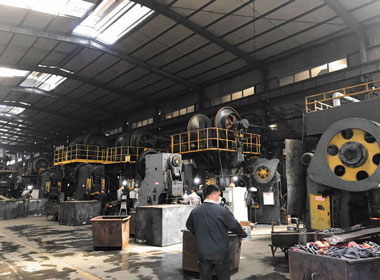
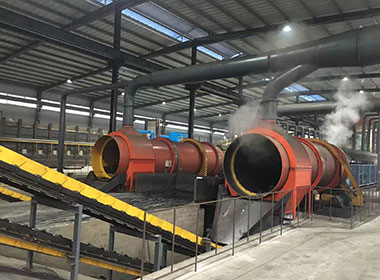
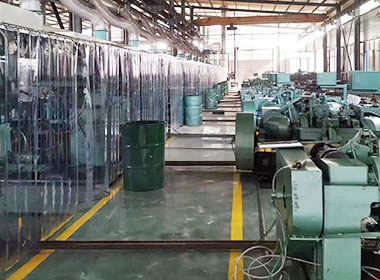
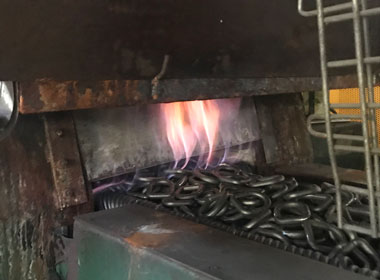
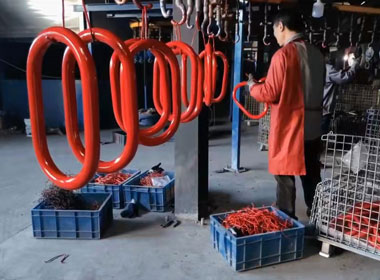
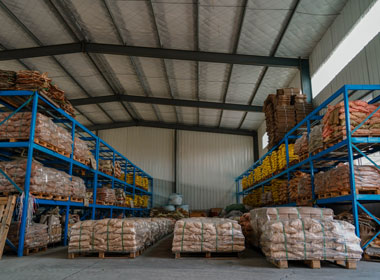
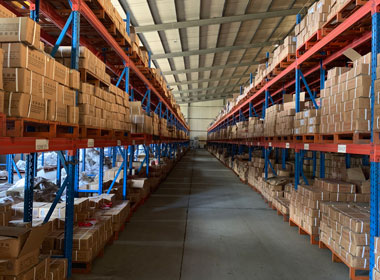
Raw materials of our products are made of high-quality steel that meets the standards, and the raw materials are traceable. And multiple production lines and machines minimize lead times for rigging and lifting equipment.
Raw Material
Forged
Cast
Chain Machine
Heat Treatment
Powder Plastified
Package
Warehouse
MANUFACTURING PROCESSES
With eight automatic forging and semi-automatic forging line of up to 1600ton press machines and specialized drillng, tapping, heat treatment and inspection equipment. Strict and standardized production process ensures you receive perfect products.
QUALITY CONTROL
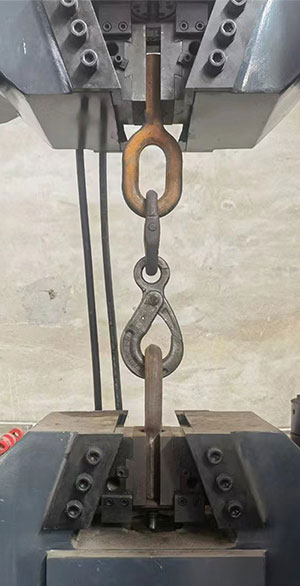
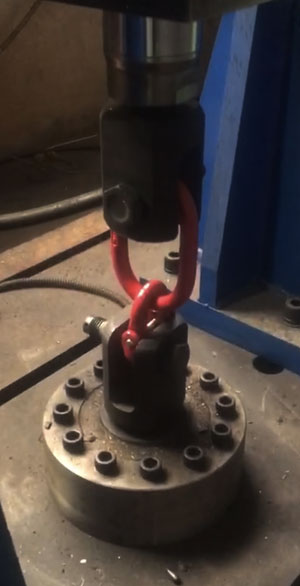
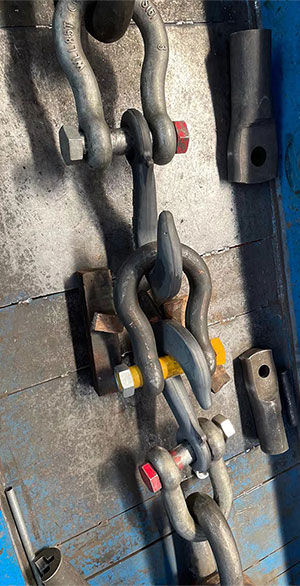
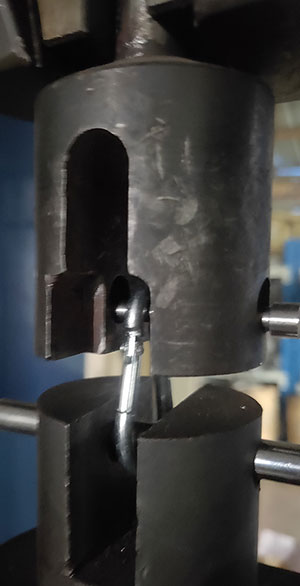
All rigging and lifting products are subjected to strict working tension and breaking the tension test. Complied with ISO9001 and CE certification. Our promise to you: Guaranteed safety at work for people and materials.