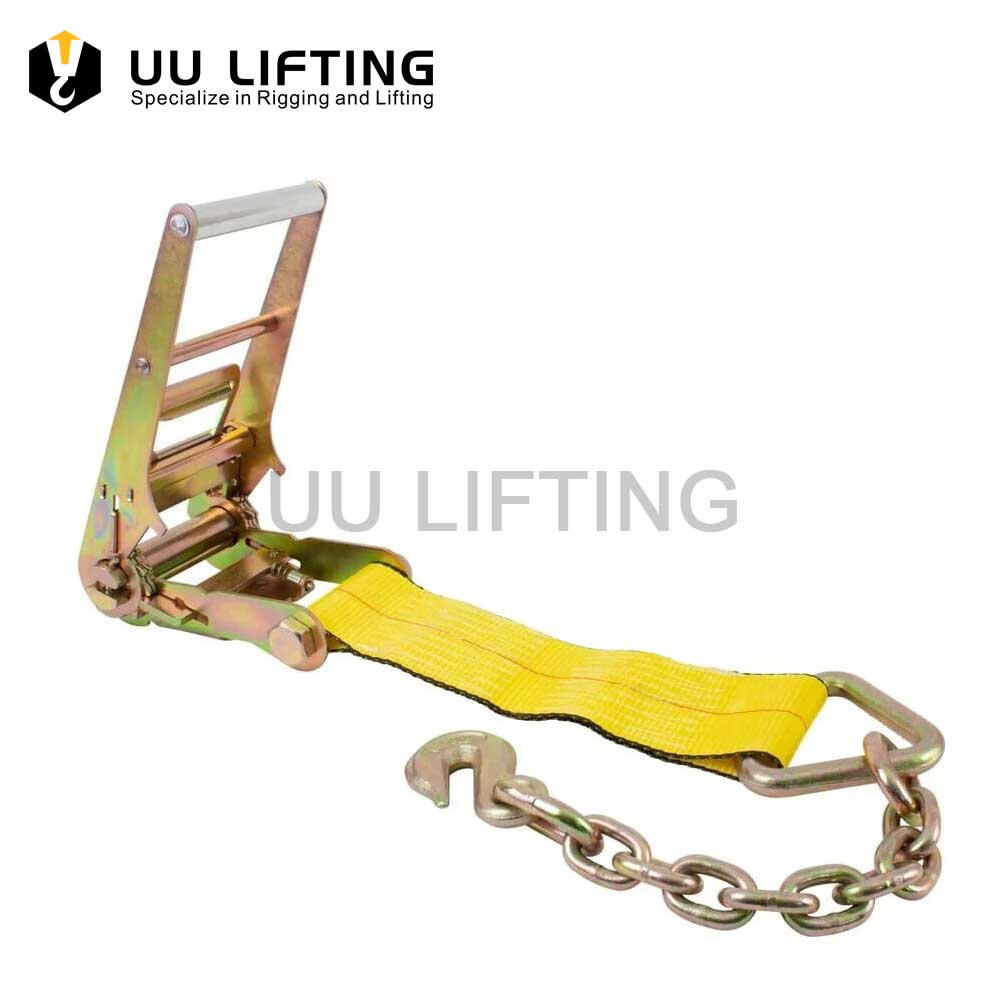
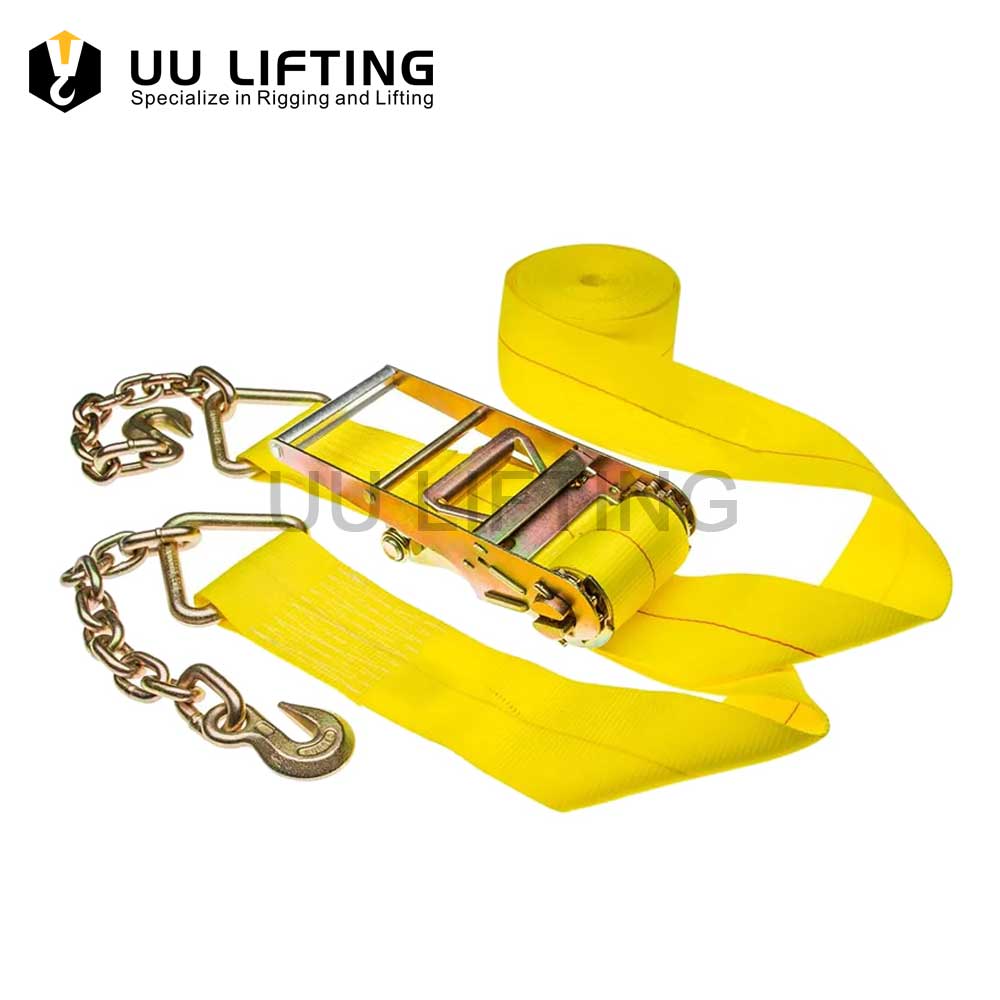
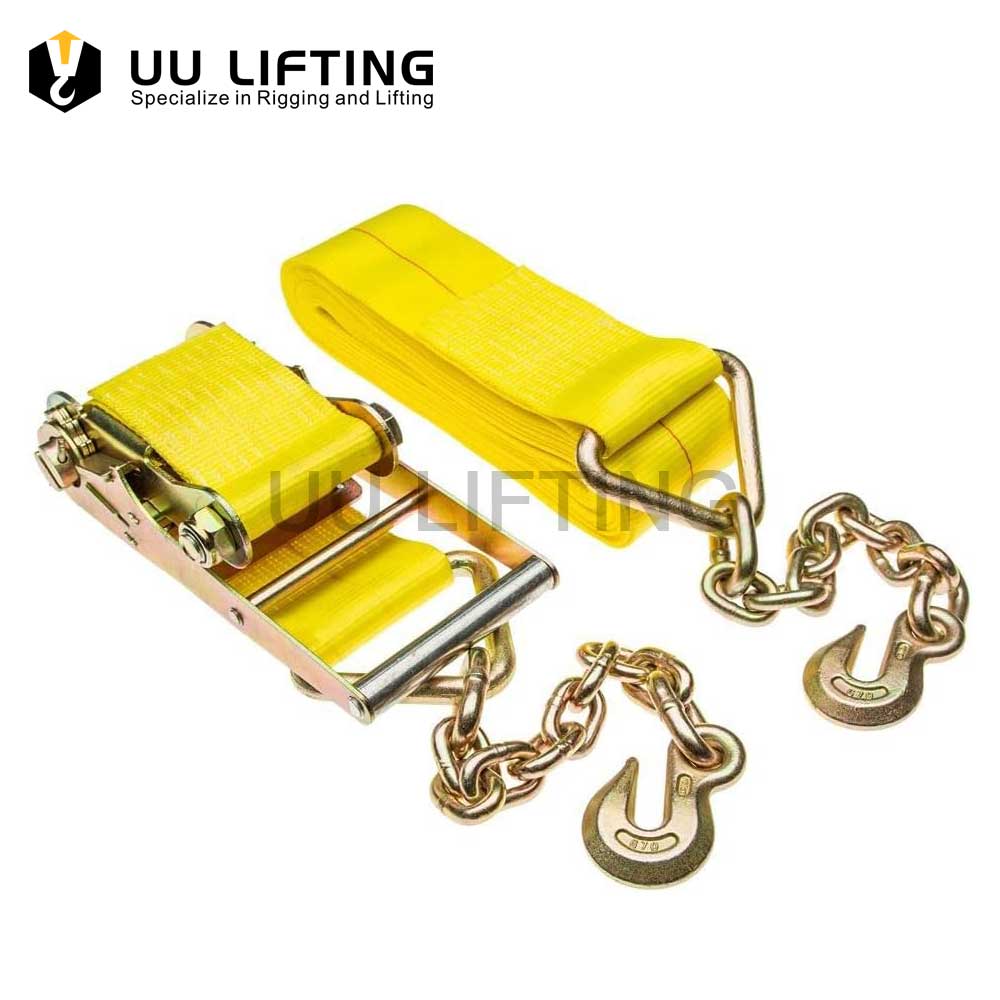
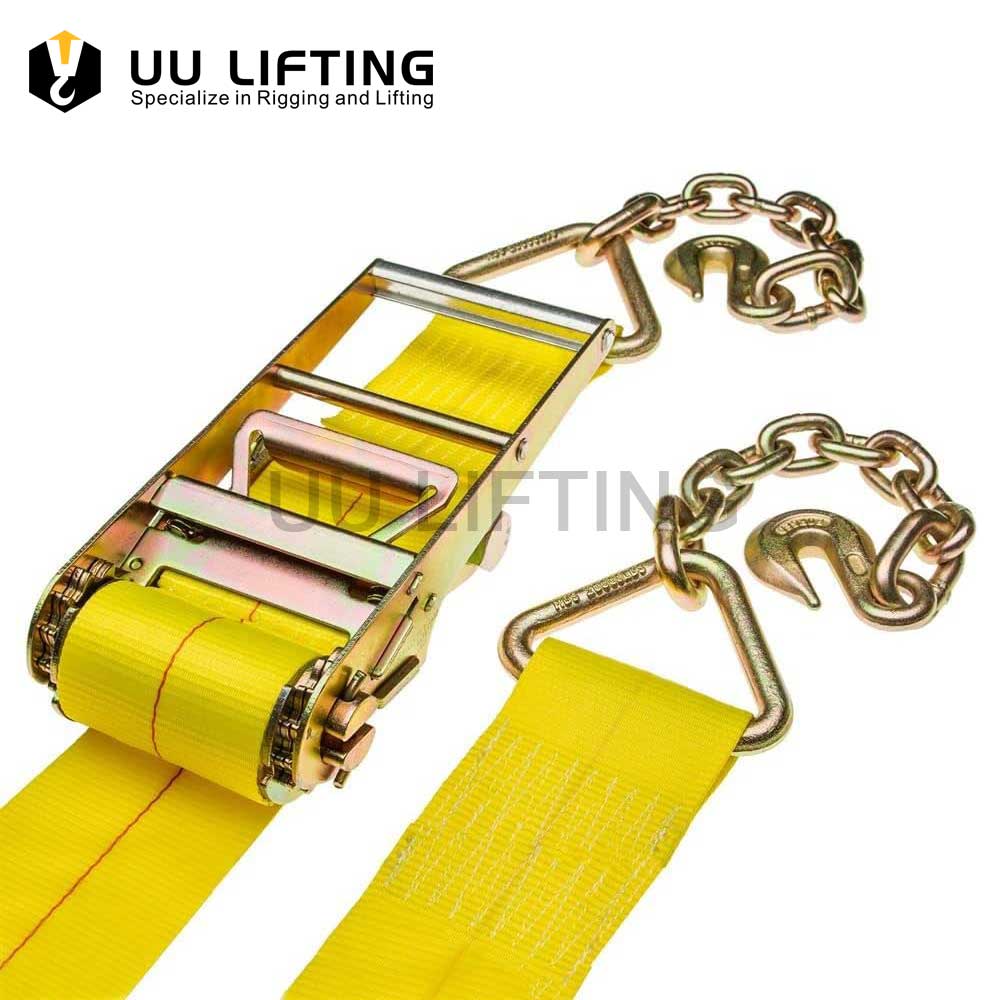
4″ Ratchet Strap featuring a Chain Anchor. It is built for heavy-duty use and ensures a tight, reliable hold for large loads. Perfect for transport and storage, this strap combines strength with ease of use, making it a must-have for professionals and DIY enthusiasts alike.
What is a 4″ Ratchet Strap with Chain Anchor?
A 4″ Ratchet Strap with Chain Anchor is a heavy-duty tool designed for securing large and heavy items. The “4″” refers to the width of the strap itself, which is typically made from strong polyester webbing. This strap features a ratchet mechanism that allows you to tighten it firmly around cargo. A key component is the “Chain Anchor,” which is a short length of chain and a hook or fitting at one end of the strap. This chain anchor provides a powerful and durable point to attach the strap to a vehicle, trailer, or other tie-down locations. These straps are built for demanding tasks in transport and storage. They are designed to meet standards like WSTDA T-1, ensuring their quality and performance for securing significant loads. The length of these straps can vary, commonly ranging from 20 feet to 60 feet, to accommodate different a_x_000D_ sizes of cargo.
What are the advantages of a 4″ Ratchet Strap with Chain Anchor?
Using a 4″ Ratchet Strap with Chain Anchor offers several significant benefits, especially when dealing with heavy or bulky cargo:
- Heavy-Duty Strength and Capacity: These straps are built explicitly for heavy-duty use. They have a high Working Load Limit (WLL), typically around 5,400 pounds (or 2,450 kilograms). The Assembly Break Strength is even higher, often around 16,200 pounds, with the webbing itself having a break strength of about 20,000 pounds. This robust construction ensures they can safely handle substantial loads.
- Secure and Reliable Fastening: The ratchet mechanism provides a very tight and secure hold on cargo, minimizing the risk of loads shifting during transportation. The chain anchor offers a robust and reliable connection point. Chain is less prone to wear and tear from abrasion at the anchor point compared to webbing alone, especially in rugged conditions. This ensures the strap stays firmly attached.
- Durability and Longevity: The combination of strong polyester webbing and a sturdy chain anchor makes these straps very durable. The chain anchor, in particular, contributes to the strap’s lifespan by resisting damage at critical connection points. This makes them a long-lasting tool for both professionals and frequent users.
- Ease of Use: Despite their strength, these ratchet straps are designed to be user-friendly. The ratchet allows for easy tensioning of the strap with minimal effort, and the chain anchor can be quickly and securely attached to various anchor points on trucks or trailers. This combination of strength and ease of use makes them efficient for securing loads.
- Versatility: These straps are highly versatile. They are perfect for professionals in the trucking, logistics, and transport industries who need to secure heavy machinery, large equipment, or palletized goods. They are also handy for DIY enthusiasts who might be moving large items or undertaking projects that require heavy-duty securing. Their ability to provide a tight and reliable hold makes them suitable for a wide range of applications.