What Is 35W×7 Non-Rotating Steel Wire Rope and Why Should You Care?
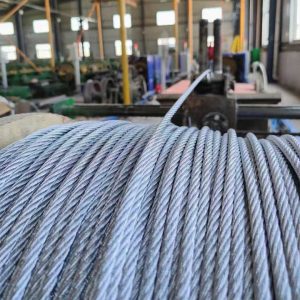
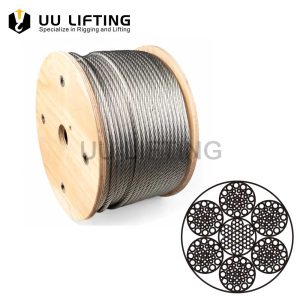
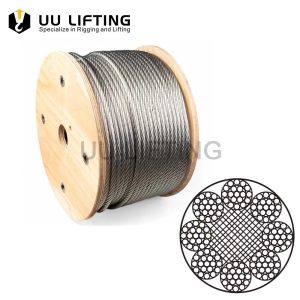
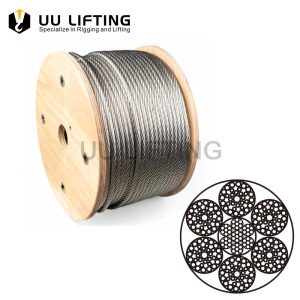
A 35W×7 non-rotating steel wire rope is a special rope designed to resist spinning under load. It has multiple layers of strands wound in opposite directions. This design makes it perfect for single-part hoisting or any situation where load rotation is a problem.
I learned about this the hard way a few years ago. We were using a standard crane rope, and the load started spinning wildly. It was a terrifying experience. Luckily, no one was hurt, but it was a close call that cost us time and nearly damaged a very expensive piece of equipment. That day, I realized that not all wire ropes are created equal. It pushed me to understand exactly what I was buying. Let’s break down why this specific rope is so crucial for certain jobs, so you don’t have to learn the same hard lesson I did.
How Is a 35W×7 Rope Actually Constructed?
A 35W×7 rope has an inner core and several outer strands. The inner strands are wound in one direction, while the outer strands are wound in the opposite direction. This counter-twist design prevents the rope from spinning under load.
When I first started sourcing wire ropes from China, I just asked for “steel wire rope.” I quickly learned that was a big mistake. The details matter immensely. A 35W×7 rope’s magic is in its construction. Imagine twisting a cloth in one direction. It wants to untwist. Now, imagine an inner core twisted to the right, and an outer layer of strands twisted to the left. The forces cancel each other out. The rope stays stable. This is the principle behind all rotation-resistant ropes. The “W” in 35W stands for Warrington, a specific strand pattern that uses wires of different sizes. This makes the strand more compact and more resistant to crushing, a common issue when rope is spooled onto a drum. Understanding these details helps me have much clearer conversations with my suppliers and ensures I get a product that performs safely.
Component
Description
Purpose
Outer Strands
Multiple strands wound in one direction (e.g., Left Lay)
Provides strength and abrasion resistance
Inner Strands
Fewer strands wound in the opposite direction (Right Lay)
Counteracts the rotational force of the outer strands
Core (IWRC)
Independent Wire Rope Core for support
Provides a solid foundation for the strands, preventing crushing
35W Construction
35 wires per strand in a Warrington style
Offers a great balance of flexibility and crush resistance
Why Is The ‘Non-Rotating’ Feature So Important?
The non-rotating feature is critical for safety and control. It prevents the load from spinning, which is essential for single-line lifting on mobile cranes or high-rise hoists. It protects both personnel and the materials being lifted from harm.
I remember a job where we were lifting large glass panels for a building facade. The contractor was using a standard 6-strand rope. Every time a panel was lifted, it would start to spin. The crew on the ground had to use taglines to counter the rotation, which was exhausting and unsafe. A sudden gust of wind could have been catastrophic. An uncontrolled spin can easily cause a load to crash into the building or other obstacles. Even worse, it can slowly unscrew rigging components, such as shackles or hooks, leading to complete failure. For single-line lifts, where there is no second rope or block to stop the spin, a standard rope is a recipe for disaster. This is why I insist on using rotation-resistant ropes, such as 35W×7, for these applications. It’s a non-negotiable safety requirement in my book. The stability it provides is worth every penny.
What Are The Best Applications For 35W×7 rope?
35W×7 wire rope is ideal for main and auxiliary hoist lines on mobile cranes, tower cranes, and overhead factory hoists. It is also the top choice for foundation drilling rigs and any single-part lifting system that must avoid rope rotation.
After my early experiences, I made a checklist of applications where only a high-performance, rotation-resistant rope would do. My business depends on getting this right. If you are a distributor, your customers rely on you for this expertise.
Key Applications for 35W×7:
Mobile and Tower Cranes: This is the most common use. As the main hoist line, it handles countless lifts, and stability is paramount. Standard ropes would spin uncontrollably in these long, single-line configurations.
High-Rise Construction: When you’re lifting materials hundreds of feet in the air, you need total control. A 35W×7 rope prevents steel beams or concrete buckets from spinning on their way up.
Drilling Rigs: Foundation drilling requires a long single line to lower equipment deep into the earth. Rotation would cause huge problems, so a stable rope is essential.
Overhead Gantry Cranes: In a factory setting, loads often need to be placed with precision. A non-rotating rope allows the operator to position items without fighting against a spinning hook.
For these jobs, a standard rope like a 6×37 is completely unsuitable. It’s designed to be used in pairs or with a block that prevents spinning. Using it alone is a major safety violation in many places.
How Does 35W×7 Compare To Other Rotation-Resistant Ropes?
A 35W×7 rope offers much better rotation resistance and crush resistance than a standard 19×7 rope. Its design, with more outer strands and a specialized construction, makes it more stable and durable, especially on multi-layer drums. It is a premium, higher-performance rope.
When I’m looking at supplier quotes, I often see both 19×7 and 35W×7 offered as “rotation-resistant.” As a business owner, I’m sensitive to price, and 19×7 is usually cheaper. But I’ve learned that it’s not a simple cost issue. The 19×7 is a good rope, but the 35W×7 is in another league. It has more outer strands, which means it resists the urge to spin much more effectively. It’s also much more resistant to being crushed, which happens when a rope winds over itself on a crane drum. That damage shortens a rope’s life and makes it unsafe. For demanding, high-stakes lifts, the superior performance and longer service life of the 35W×7 make it a better investment. I’ll pay more for the peace of mind and safety it provides.
Feature
35W×7
19×7
My Take (as Mark)
Rotation Resistance
Excellent
Good
For critical, single-line lifts, I only trust 35W×7.
Crush Resistance
Very Good
Fair to Good
If your rope gets crushed on the drum, you need 35W×7.
Stability
Very High
Medium
35W×7 is more stable and less prone to internal damage.
Cost
Higher
Lower
You get what you pay for. The extra cost is worth the safety.
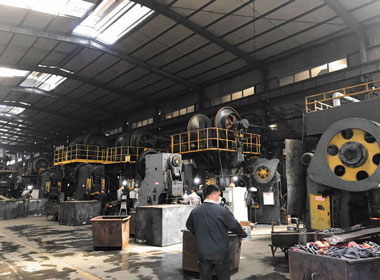
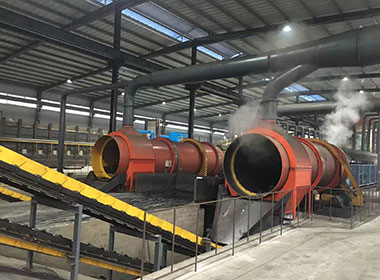
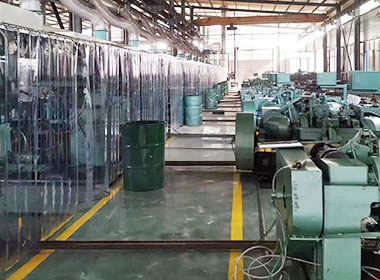
OUR FACTORY
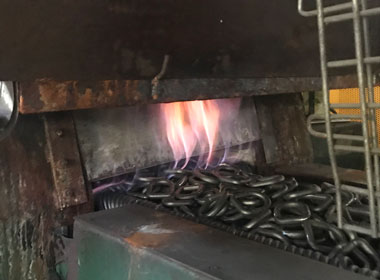
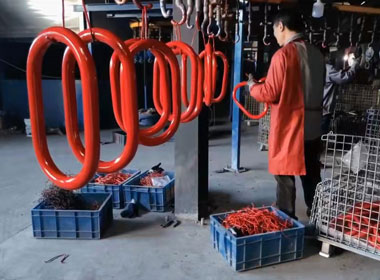
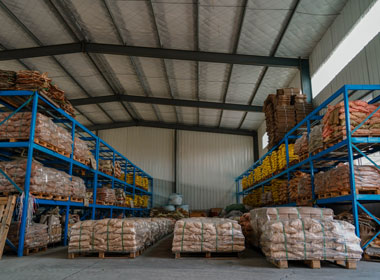
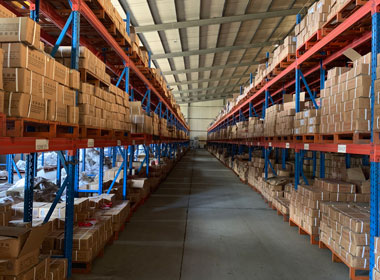
Raw materials of our products are made of high-quality steel that meets the standards, and the raw materials are traceable. And multiple production lines and machines minimize lead times for rigging and lifting equipment.
Raw Material
Forged
Cast
Chain Machine
Heat Treatment
Powder Plastified
Package
Warehouse
MANUFACTURING PROCESSES
With eight automatic forging and semi-automatic forging line of up to 1600ton press machines and specialized drillng, tapping, heat treatment and inspection equipment. Strict and standardized production process ensures you receive perfect products.
QUALITY CONTROL
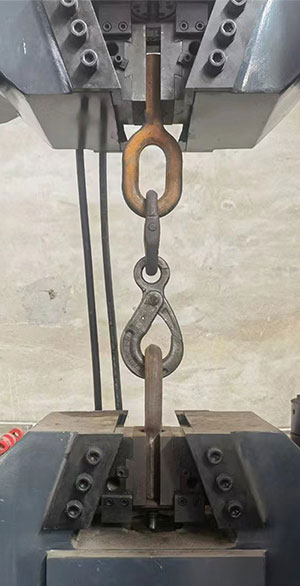
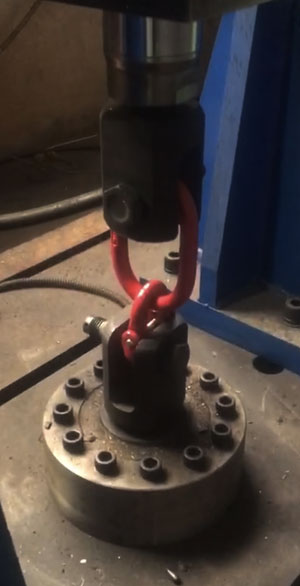
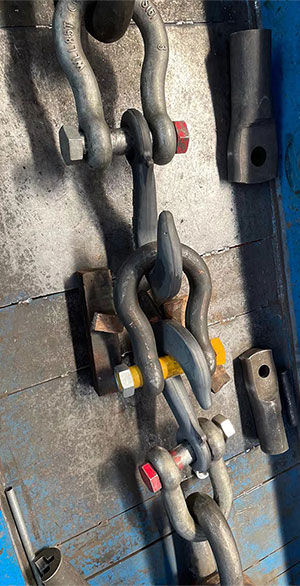
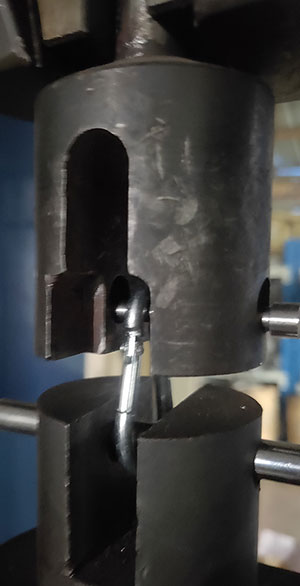
All rigging and lifting products are subjected to strict working tension and breaking the tension test. Complied with ISO9001 and CE certification. Our promise to you: Guaranteed safety at work for people and materials.