What Is an 8x31WS Line Contact Wire Rope and Why Should You Care?
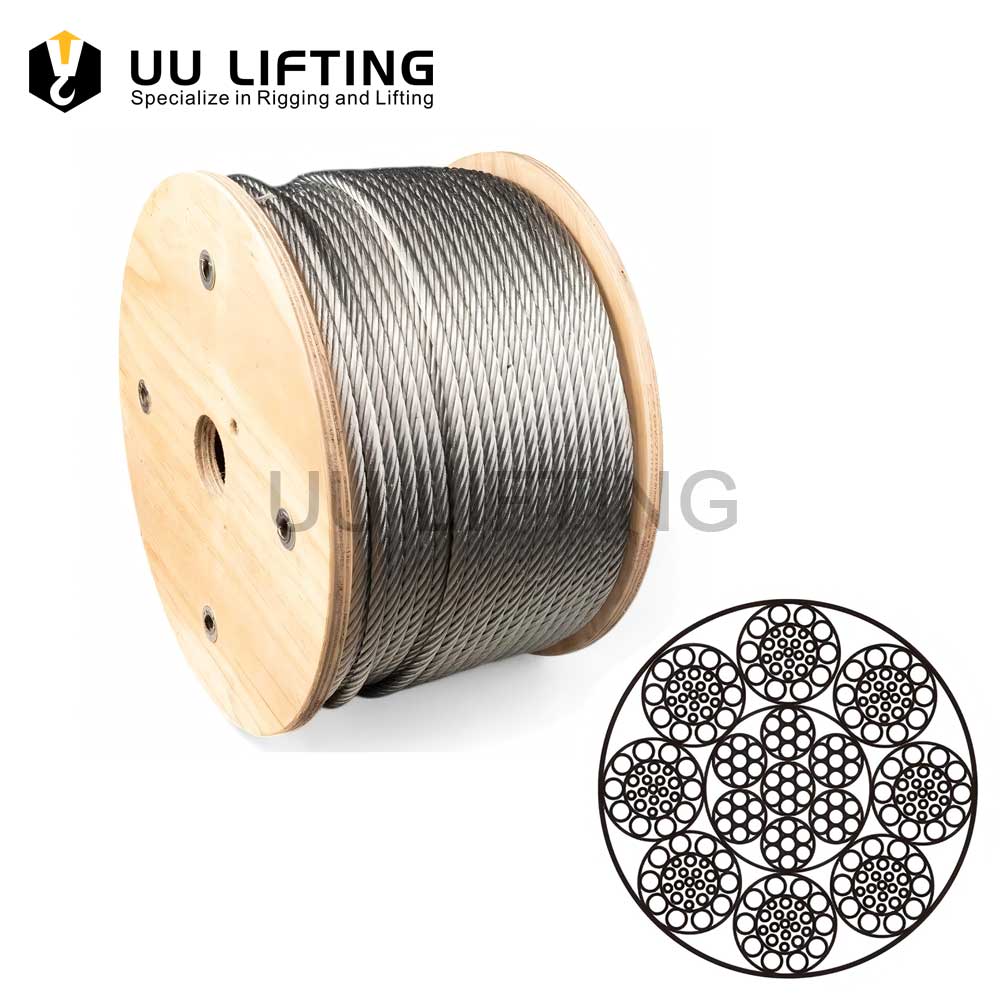
An 8x31WS wire rope is a specialized steel cable with 8 strands, each containing 31 wires. The “WS” (Warrington Seale) design provides line contact between wires. This offers excellent flexibility, fatigue resistance, and crush resistance, making it ideal for demanding lifting applications.
I remember talking to Mark, a long-time customer from the US. He runs a successful distribution business. He once bought a batch of standard wire rope from another supplier for a big crane contract. The ropes failed inspection after only a few months because of severe internal wear and crushing on the drum. He lost time and money. After that experience, he called me to understand why not all wire ropes are created equal. It’s not just about the price tag; it’s about understanding the construction. Let’s break down what makes the 8x31WS, a specific rope type, a superior choice for many jobs.
What Do the Numbers “8×31” Actually Mean?
“8×31” describes the rope’s construction. It has 8 outer strands wrapped around a core. Each of those strands consists of 31 individual wires. This high-wire count gives it great flexibility and fatigue resistance, vital for many lifting operations.
Let’s look closer at these numbers. The first number, “8,” tells you how many strands are wrapped around the rope’s central core. The most common wire ropes you see are 6-strand. Using 8 strands makes the rope more flexible and rounder. This helps it run smoothly over sheaves and pulleys.
The second number, “31,” indicates the number of individual wires in each of those 8 strands. A higher wire count, like 31, means the individual wires are smaller. This dramatically increases the rope’s flexibility and its ability to resist fatigue from bending back and forth. It’s a simple trade-off. Fewer, larger wires offer more abrasion resistance. More, smaller wires offer better flexibility and fatigue life.
Feature Comparison
8x31WS
6×19 Class
6×37 Class
Flexibility
Excellent
Good
Very Good
Fatigue Resistance
Excellent
Good
Very Good
Abrasion Resistance
Good
Very Good
Good
Common Use
Crane Hoists, Winches
General Purpose, Stays
Cranes, Hoists
For a business owner like Mark, choosing 8×31 means investing in a rope that will last longer in high-cycle lifting jobs. This reduces downtime and replacement costs.
Why is the “WS” (Warrington Seale) Construction So Important?
“WS” stands for Warrington Seale. It’s a special wire arrangement within each strand. It creates “line contact” between wire layers, not just “point contact.” This reduces internal wear, increasing the rope’s lifespan and fatigue resistance.
This is where the real engineering magic happens. Inside each strand of a wire rope, there are multiple layers of wires. How these wires touch each other determines the rope’s performance and lifespan.
Understanding Point Contact
In many standard rope designs, the wires in different layers are not arranged in parallel. When the rope bends or is loaded, the wires cross over each other. They touch at very small points. All the pressure is concentrated on these tiny points. This creates high stress, internal friction, and “nicking,” leading to premature wire breaks within the rope. You might not even see the damage until it’s too late.
The Advantage of Line Contact
The Warrington Seale (WS) construction is much smarter. It uses a combination of different wire sizes in the layers of each strand. The outer layer has large wires for abrasion resistance (Seale). An inner layer has alternating large and small wires (Warrington). This design ensures that the wires in each layer sit snugly in the valleys of the layer below. Instead of a single point of contact, they touch along a continuous line. This spreads the load and pressure over a much larger area, significantly reducing internal stress and friction. This is why WS ropes have superior fatigue resistance. They can bend and flex for many more cycles before they begin to fail.
What are the Best Applications for 8x31WS Wire Rope?
8x31WS wire rope excels in applications needing high flexibility and resistance to crushing and fatigue. This makes it ideal for crane hoist ropes, winch lines, and other equipment that run over sheaves and drums under heavy loads.
The unique combination of flexibility, fatigue resistance, and crush resistance makes 8x31WS the premium choice for specific, heavy-duty jobs. If your rope is constantly bending over sheaves or getting wound tightly onto a multi-layer drum, this is the rope you should be considering. Its 8-strand line-contact design helps it resist distortion and internal damage in these tough conditions. For procurement officers, specifying this rope for the right application means fewer breakdowns, safer operations, and a better return on investment. It might have a higher initial cost than a 6×19 rope, but its extended service life often makes it the more economical choice in the long run.
Application
Why 8x31WS is a Good Fit
Main Crane Hoist Lines
Superior fatigue resistance withstands constant bending over sheaves, increasing service life and safety.
Winch Ropes
Excellent crush resistance prevents flattening and damage when spooled onto a drum under tension.
Overhead Cranes
High flexibility and long life reduce the frequency of costly rope changes and operational downtime.
Drilling Rigs
The robust construction can withstand dynamic loads and harsh environments encountered in drilling operations.
How Do You Inspect and Maintain 8x31WS Wire Rope?
Regularly inspect for broken wires, corrosion, abrasion, and signs of crushing. Follow a consistent lubrication schedule. Proper inspection and maintenance are crucial for safety and extending the service life of your 8x31WS rope.
Even the highest quality rope needs proper care. As a manufacturer, I can’t stress this enough. When I sell ropes to customers like Mark, I always emphasize that the partnership doesn’t end with the sale. Ensuring the product is used safely and lasts as long as possible is key. A cheap rope from an unreliable supplier won’t come with this support.
Visual Inspection Checklist
You or your trained personnel should regularly walk the length of the rope and look for problems. Keep an eye out for clusters of broken wires, signs of the rope being crushed or flattened, and any “bird caging” where strands have opened up. These are all signs that the rope may need to be retired from service.
The Importance of Lubrication
A wire rope is a machine with many moving parts. Those 248 wires (8 strands x 31 wires) move against each other every time the rope bends. Lubrication is critical. It reduces internal friction, thereby improving fatigue life. It also provides a protective barrier against moisture and corrosion. A proper lubrication program can easily double the effective life of your rope.
OUR FACTORY
Raw materials of our products are made of high-quality steel that meets the standards, and the raw materials are traceable. And multiple production lines and machines minimize lead times for rigging and lifting equipment.
Raw Material
Forged
Cast
Chain Machine
Heat Treatment
Powder Plastified
Package
Warehouse
MANUFACTURING PROCESSES
With eight automatic forging and semi-automatic forging line of up to 1600ton press machines and specialized drillng, tapping, heat treatment and inspection equipment. Strict and standardized production process ensures you receive perfect products.
QUALITY CONTROL
All rigging and lifting products are subjected to strict working tension and breaking the tension test. Complied with ISO9001 and CE certification. Our promise to you: Guaranteed safety at work for people and materials.