What Are 1×7 Steel Strand Sizes and How Do You Choose the Right One?
Are you struggling to pick the correct 1×7 steel strand size for your project? Using the wrong diameter or grade often leads to project delays, equipment failure, and costly safety hazards.
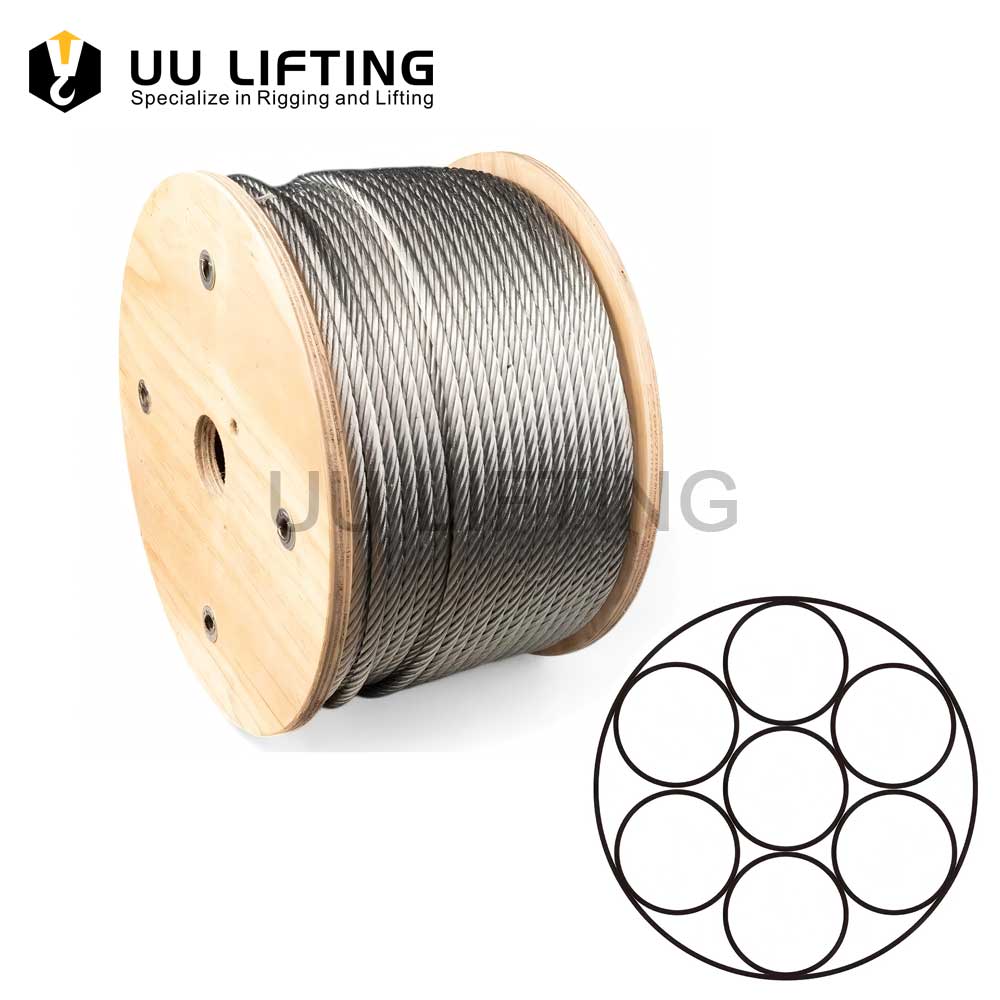
1×7 steel strand consists of one central wire with six outer wires twisted around it. Sizes generally range from 3mm to 15mm in diameter. Selecting the right Size depends on your specific tension requirements and the application load, ensuring you get the strength your project demands.
You likely deal with many technical specs every day. I understand that procurement can feel overwhelming when the stakes are high. Let me break down the basics so you can make a smart, informed decision without the typical headache.
What is the actual construction of a 1×7 steel strand?
Do you feel confused by wire rope construction? Using the wrong cable type risks your structural integrity. It is time to simplify how we look at strand construction to make your buying process easier.
A 1×7 strand is a basic, rigid wire rope construction. It features a single center wire wrapped by six outer wires of the same diameter. This design offers high breaking strength and very low elongation. It is the top choice for structural applications where stability is your primary concern.
The 1×7 construction is very different from standard flexible wire ropes. You should treat this construction as a solid, high-tension member rather than a rope for lifting. It does not bend easily. If you try to wrap this strand around small sheaves, it will break. It is built for tension, not for dynamic movement.
When you purchase this material, you are usually looking to use it for applications such as concrete prestressing, fencing, or utility poles. Because there are only seven wires, each wire is thicker than those in a 6×19 or 6×37 rope. Thicker wires mean better resistance to wear and corrosion. However, they also mean less flexibility.
I have summarized the main characteristics of this construction below to help you compare it against your requirements:
Feature
Characteristics
Construction
1 central wire + 6 outer wires
Flexibility
Very Low (Rigid)
Wear Resistance
High
Main Use
Prestressing, Tensioning, Structural Guys
Elongation
Very Low
As a procurement officer, you must remember that this rigidity is a feature, not a bug. If your application requires the cable to move around pulleys or blocks, do not buy a 1×7 strand. You will need a more flexible construction. If you need it to hold a fixed load under high tension, 1×7 is the standard industry choice.
How do you select the correct 1×7 strand size?
Are you wasting time measuring strands or dealing with incorrect diameters? Getting the diameter wrong creates serious safety hazards on the job site. Let’s look at the standard sizes used in the industry today.
The outer diameter measures 1×7 steel strand sizes. Common sizes range from 3mm to 15mm. You must match the diameter to your load capacity and the specific fittings you use. Always check the steel grade to ensure the breaking strength you need.
When I talk to clients, they often confuse “nominal size” with “actual diameter.” You should always request the exact specification sheet from the supplier. A strand labeled a0mm might measure slightly differently due to manufacturing tolerances. As a professional, you should always verify the diameter with a caliper before you sign off on a shipment. This is crucial for your quality inspection process.
You also need to think about the steel grade. A 10mm strand of a lower grade is weaker than a 10mm strand of a higher grade. Simply buying by diameter is not enough. You must confirm the Minimum Breaking Load (MBL) with your supplier. If you are replacing an existing strand, look for the markings on the old material. If there are no markings, you must perform a test or consult an engineer to ensure the replacement meets the load requirements.
I have listed the common size ranges and their typical industrial applications below:
Nominal Size (mm)
Typical Application
3.0mm – 5.0mm
Fencing, small guy wires, light tensioning
6.0mm – 9.0mm
Utility poles, structural supports
10.0mm – 12.0mm
Concrete prestressing, heavy-duty tensioning
13.0mm – 15.0mm
Infrastructure projects, bridge construction
When you purchase, ask about the finish. Is the strand galvanized? Is it bare steel? Galvanization adds a zinc coating to protect against rust. If your project is outdoors or near the coast, you must specify galvanized or stainless steel. If you choose bare steel for an outdoor project, it will rust quickly. This leads to early replacement and unnecessary costs for your company. Always prioritize the environment where the strand will live.
Conclusion
1×7 steel strand is a rigid, high-strength solution for tensioning. Measure your required diameter accurately, confirm the steel grade, and always choose the right finish for your environment to ensure safety and longevity.
OUR FACTORY
Raw materials of our products are made of high-quality steel that meets the standards, and the raw materials are traceable. And multiple production lines and machines minimize lead times for rigging and lifting equipment.
Raw Material
Forged
Cast
Chain Machine
Heat Treatment
Powder Plastified
Package
Warehouse
MANUFACTURING PROCESSES
With eight automatic forging and semi-automatic forging line of up to 1600ton press machines and specialized drillng, tapping, heat treatment and inspection equipment. Strict and standardized production process ensures you receive perfect products.
QUALITY CONTROL
All rigging and lifting products are subjected to strict working tension and breaking the tension test. Complied with ISO9001 and CE certification. Our promise to you: Guaranteed safety at work for people and materials.