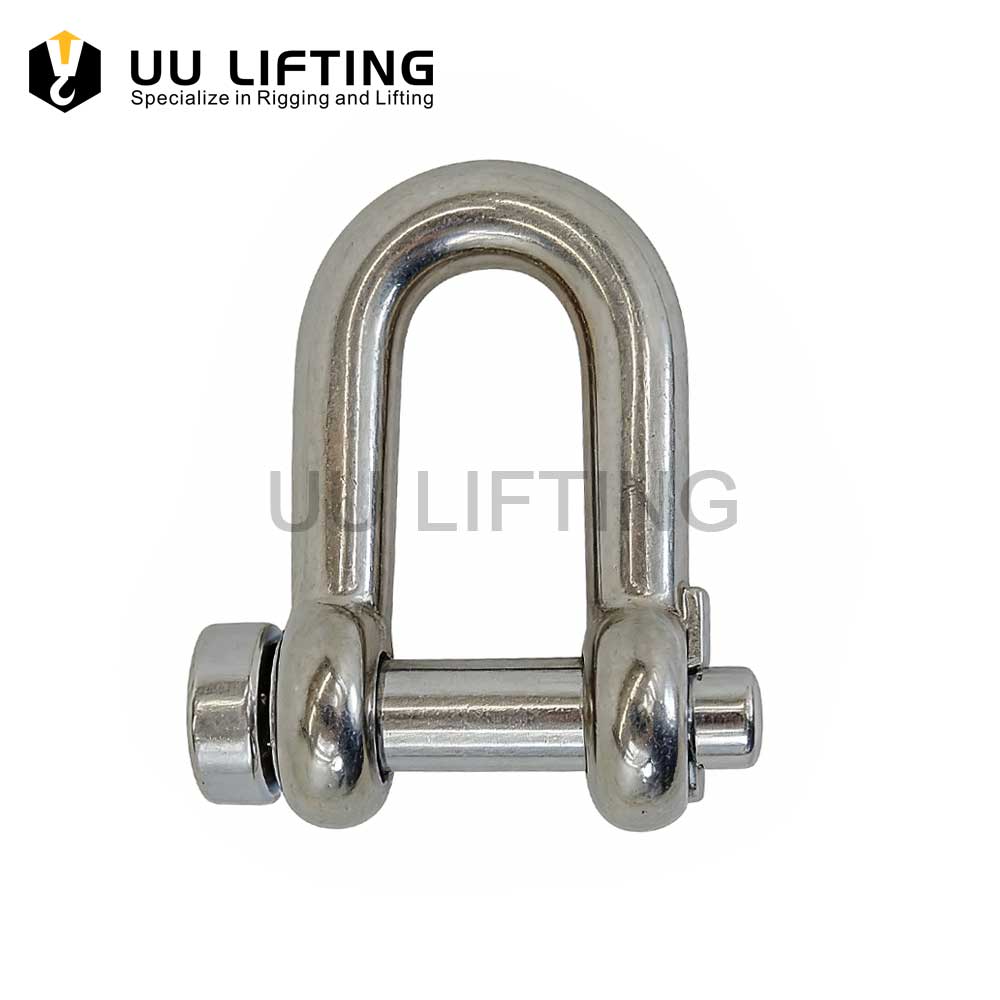
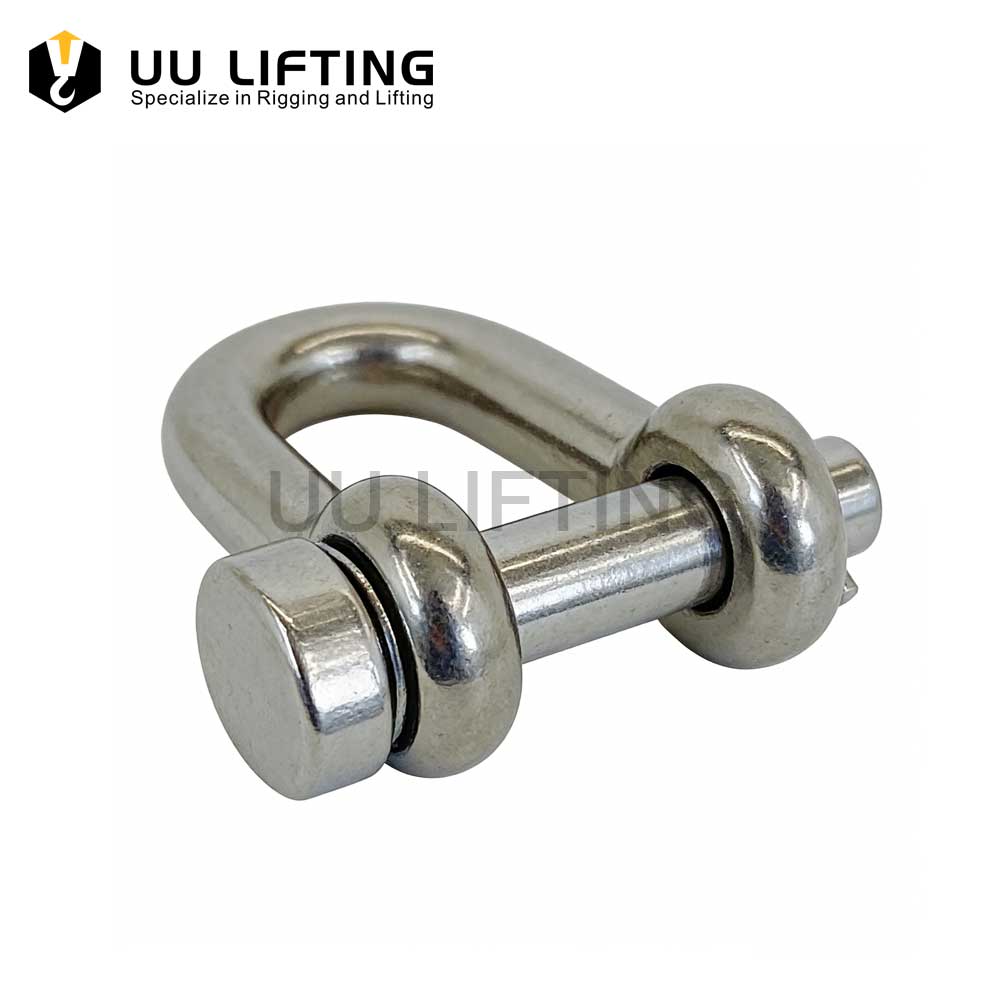
What Is a Stainless Steel Round Pin Chain Shackle?
A stainless steel round pin chain shackle is a strong, U-shaped connector made from corrosion-resistant stainless steel. It uses a simple, unthreaded round pin for closure. This design is perfect for straight-line pulls in harsh environments, such as marine applications, where rust is a major concern.
Why Choose Stainless Steel Over Galvanized for Your Shackles?
Stainless steel is naturally corrosion-resistant throughout, not just on the surface like galvanized steel. This makes it perfect for saltwater and chemical exposure. It ensures reliability and a longer service life in tough conditions, which justifies the higher initial cost.
Material Integrity: Surface vs. Core
Galvanizing is a process in which a protective layer of zinc is applied to steel. This zinc coating acts as a shield against corrosive elements. It works well, but it’s only a surface treatment. If that coating gets scratched or chipped from use, the steel underneath is exposed. Once exposed, rust can begin and spread, weakening the shackle from the inside out.
Stainless steel is different. It’s an alloy. This means chromium and other elements are mixed into the steel itself. The chromium creates a passive, invisible layer that protects the entire piece of metal from rust and corrosion. If a stainless steel shackle is scratched, the protective layer reforms automatically. It essentially heals itself. This gives it much more consistent and reliable protection against water and oxidation, especially in the long term.
Cost vs. Lifespan Analysis
Galvanized shackles are indeed cheaper to buy upfront. For many applications in dry, controlled environments, they are a perfectly good economic choice. But when I talk to buyers like Mark, whose customers work in harsh marine environments, the conversation changes. The salt in the air and water aggressively attacks the zinc coating on galvanized products. This means they need to be inspected and replaced more frequently.
Stainless steel costs more initially. There is no denying that. But its extended lifespan in corrosive environments often makes it the cheaper option over the long term. You spend less on replacement parts and the labor to install them. This long-term value is critical.
Here is a simple table I use to explain it to my clients:
Feature
Galvanized Steel
Stainless Steel
Corrosion Resistance
Good (Surface Coating)
Excellent (Inherent)
Upfront Cost
Lower
Higher
Lifespan in Harsh Env.
Shorter
Longer
Maintenance
Higher (inspect for coating damage)
Lower (self-healing)
Best Use Case
General, dry environments
Marine, chemical, food-grade
For a distributor like Mark, offering stainless steel means offering a premium, reliable product that builds trust with his customers.
When Should You Use a Round Pin Shackle?
You should use round pin shackles for straight-line pulls or static loads where the pin is not expected to rotate. They are best for temporary or non-critical applications. Never use them for permanent installations or where side-loading might occur.
The pin is the part of the shackle that closes the “U” shape and bears the load. The type of pin you choose is just as important as the shackle’s material and size. There are three main types, and each has a specific job. Using the wrong one can lead to big problems.
The Mechanics of a Round Pin
A round pin shackle is the simplest design. It has a smooth, unthreaded pin that is secured at one end with a simple cotter key. Its main advantage is speed; it’s very quick to install and remove. All the loading force is taken directly by this pin. This simple but effective design gives it an excellent strength-to-weight ratio. It’s strong and efficient for what it does. But its simplicity is also its limitation. The pin is only held in place by a small cotter. It is not designed to handle forces that could cause it to rotate or shift.
Comparing Pin Types for Safety
Choosing the right pin comes down to the nature of your lift.
Round Pin: Your go-to for simple, straight-line pulls. Think of connecting two chains in a straight line for a static hold. It should not be used with multi-leg slings because the different angles can create side loads on the pin, which is unsafe. It’s also not for situations where the load might shift or vibrate, as this could cause the pin to rotate and work its way out.
Screw Pin: This type uses a threaded pin that screws into the shackle body. It’s more secure than a round pin and is great for temporary lifts. I once had a client use one for a permanent mooring. The boat’s constant movement with the tides slowly unscrewed the pin over several weeks. Luckily, they caught it during an inspection. It’s a reminder that you must check a screw pin before every use, and they are not for long-term or permanent connections.
Bolt & Nut Pin: This is the most secure option. It uses a bolt, a nut, and a cotter key. This design locks the pin in place and prevents it from rotating or backing out, even with vibration or shifting loads. It is the only choice for long-term or permanent installations and is the safest option for critical lifts or multi-leg sling arrangements.
What Are the Main Applications for This Type of Shackle?
The mix of stainless steel and a round pin makes these shackles ideal for marine rigging, towing, and suspension work in corrosive environments. They are best for straight-line applications, such as connecting anchor chains, or for temporary connections where preventing rust is essential.
The specific combination of stainless steel’s corrosion resistance and the round pin’s design makes this shackle a specialist tool. It excels in certain environments and applications where other shackles might fail or be less suitable. Knowing these applications helps you get the most value and safety from your equipment.
Marine and Offshore Industries
This is the number one market for stainless steel round pin shackles. The marine environment is relentless. Saltwater and salty air are highly corrosive. For any metal hardware used on boats, docks, or offshore platforms, rust isn’t just an ugly stain; it’s a sign of weakness that can lead to failure.
In these settings, stainless steel shackles are used for many straight-pull tasks. They connect anchor chains to anchors, secure mooring lines, and are used in various parts of a sailboat’s rigging. The round pin allows for quick connections and disconnections, which is useful for temporary setups. The stainless steel ensures the shackle remains strong and functional for a long time, even with constant exposure to the elements.
Architectural and Industrial Uses
While the marine industry is the main user, these shackles also have a place on land.
Architectural Rigging: Consider hanging heavy signs, suspending lighting fixtures, or installing tensioned cable railings. In these applications, appearance matters. A rusty shackle looks unprofessional and unsafe. Stainless steel provides a clean, modern look that lasts. The round pin is suitable for these static, straight-line suspension jobs.
Chemical and Food Processing Plants: In many industrial settings, equipment is exposed to more than just water. Chemical plants use substances that can quickly corrode even galvanized steel. Food processing facilities use harsh cleaning agents and require hygienic surfaces that don’t rust. Stainless steel withstands these chemicals and provides a non-porous, easy-to-clean surface, making it the ideal material. In these plants, a round pin shackle could be used for simple, non-critical connections in a straight line where corrosion is the primary concern.
OUR FACTORY
Raw materials of our products are made of high-quality steel that meets the standards, and the raw materials are traceable. And multiple production lines and machines minimize lead times for rigging and lifting equipment.
Raw Material
Forged
Cast
Chain Machine
Heat Treatment
Powder Plastified
Package
Warehouse
MANUFACTURING PROCESSES
With eight automatic forging and semi-automatic forging line of up to 1600ton press machines and specialized drillng, tapping, heat treatment and inspection equipment. Strict and standardized production process ensures you receive perfect products.
QUALITY CONTROL
All rigging and lifting products are subjected to strict working tension and breaking the tension test. Complied with ISO9001 and CE certification. Our promise to you: Guaranteed safety at work for people and materials.