What Exactly Is a Stainless Steel Twist Shackle and When Do You Need One?
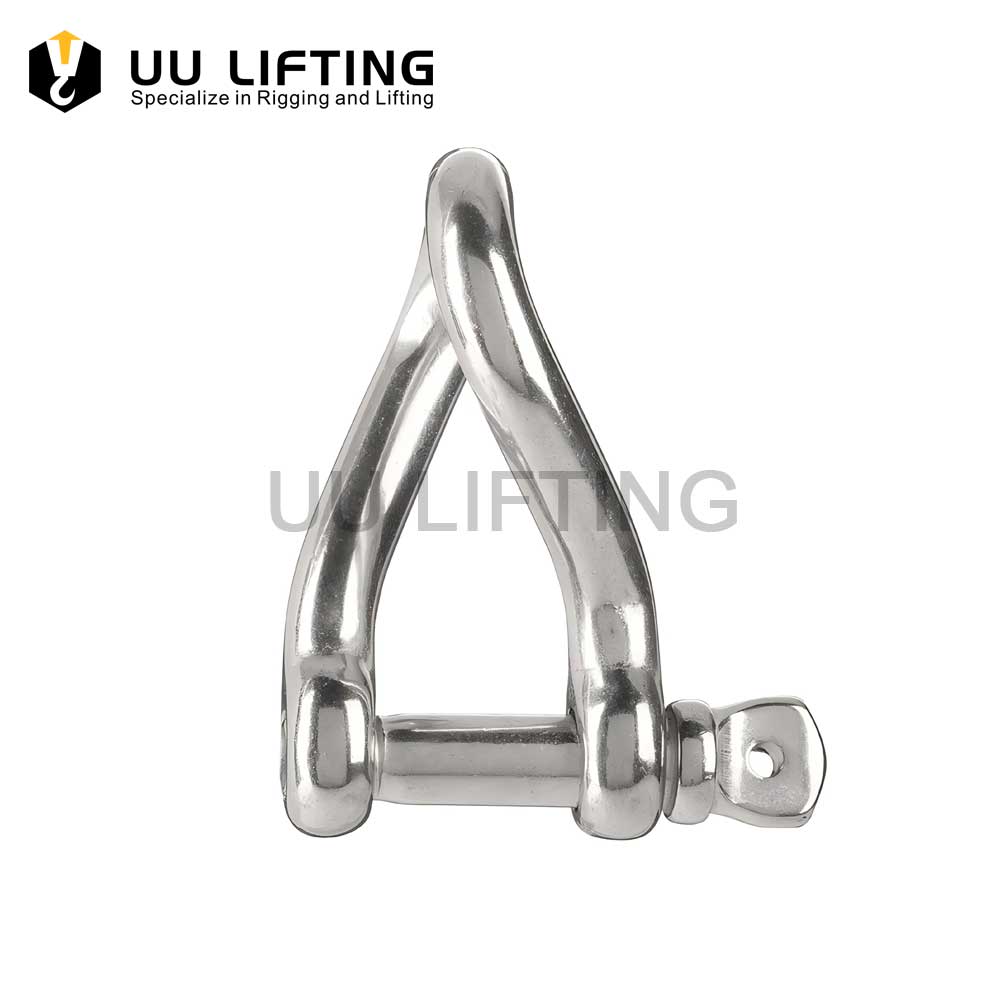
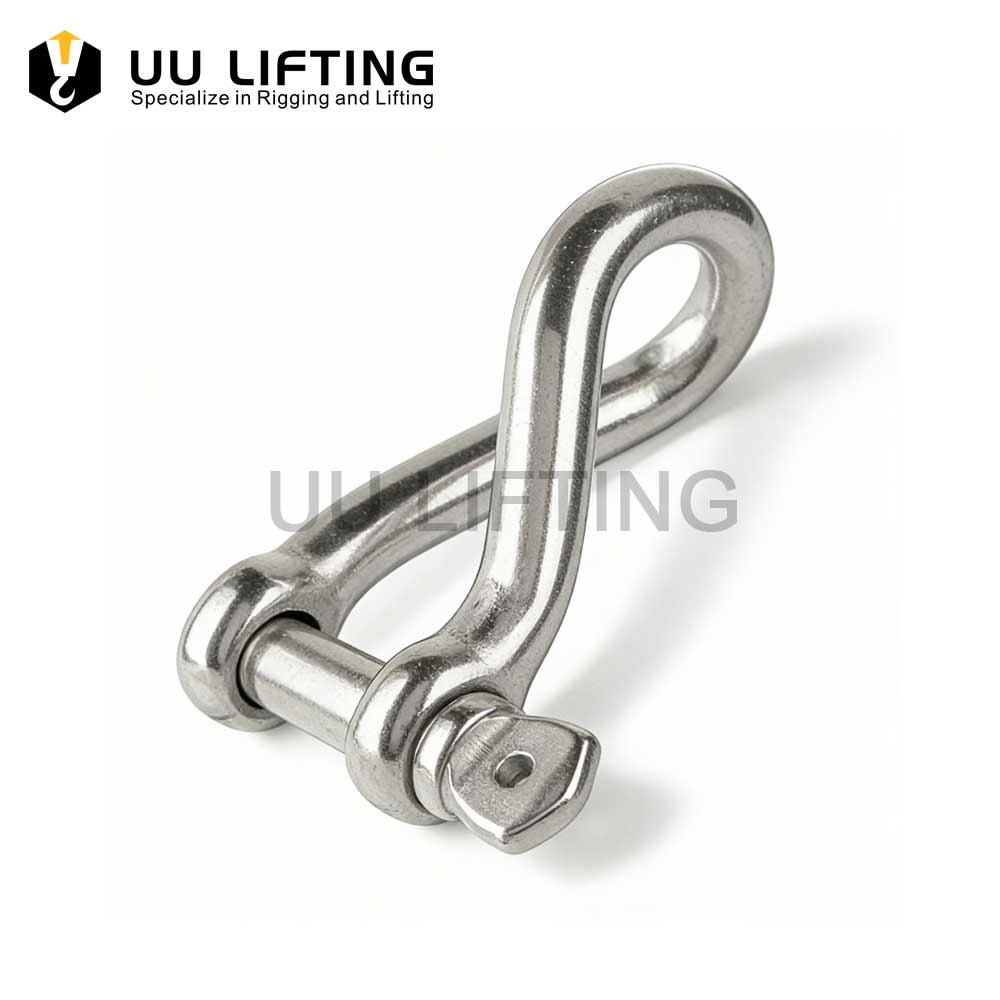
A stainless steel twist shackle is a connector with a 90-degree twist in its body. It is made from corrosion-resistant steel. This design lets you connect rigging components at a right angle without twisting them, making it perfect for marine environments and complex lifts.
Why is the 90-Degree Twist So Important for Rigging?
The 90-degree twist creates a perfect perpendicular connection. It stops slings and ropes from twisting under load. This ensures the load is distributed evenly, protects your equipment from damage, and makes the entire lifting operation much safer.
Let’s dive deeper into this simple but critical feature. The 90-degree twist is not just for looks. It solves a fundamental geometry problem in rigging. I once visited a client’s site where they were lifting large panels from a horizontal stack to a vertical position. They were using standard D-shackles, and I could see the webbing on their synthetic slings bunching up and twisting. This was a clear sign of uneven stress, which drastically shortens a sling’s life.
Aligning Different Planes
Most rigging is not a simple straight-line pull. You often need to connect a hook on a vertical hoist line to a lifting point on a horizontal surface. A standard shackle forces these two points into the same plane. This creates a twist. A twist shackle, however, is designed for this exact situation. One end can connect horizontally while the other connects vertically, all without creating any torque or twist in your sling or wire rope.
Reducing Wear on Your Gear
Twisting is a major enemy of both synthetic slings and wire ropes. For webbing slings, a twist causes uneven loading across the fibers, leading to premature tearing and failure. For wire rope, it can cause the strands to unlay or create high-stress points, weakening the rope. The twist shackle ensures a straight, clean pull. This means the load is distributed exactly as the engineers intended, maximizing the life of your expensive slings and ropes.
Comparison: Standard vs. Twist Shackle
Feature
Standard Shackle
Twist Shackle
Alignment
Forces components into one plane
Connects components in perpendicular planes
Sling Stress
Creates twist and uneven wear
Eliminates twist, promoting even wear
Load Path
Can be compromised by twisting
Direct, straight, and stable
Best Use
In-line connections
Perpendicular (90-degree) connections
What Makes Stainless Steel the Best Material for These Shackles?
Stainless steel offers the best protection against rust and corrosion. It is ideal for marine or chemical environments because it does not need a coating that can wear off. This material ensures your shackles are strong, durable, and reliable for the long term.
Superior Corrosion Resistance
The magic of stainless steel comes from its chromium content. When exposed to oxygen, chromium forms a thin, invisible, self-healing layer of chromium oxide on its surface. This “passive layer” prevents rust and corrosion. A galvanized shackle is simply a steel shackle that has been dipped in molten zinc. This zinc coating provides good protection, but if it gets deeply scratched or worn away, the steel underneath is exposed and will rust. Stainless steel’s protection is built into the metal itself.
The Right Grade for the Job
Not all stainless steel is the same. We primarily offer two grades for our shackles, and choosing the right one is important.
Type 304 Stainless Steel: The most common and versatile grade. It has excellent corrosion resistance for most applications. It is perfect for construction, general industrial use, and architecture. It provides a great balance of performance and cost.
Type 316 Stainless Steel: This grade has an important addition: molybdenum. This element gives it greatly enhanced resistance to chlorides, like saltwater, and various industrial chemicals. If your work is in a marine, port, or chemical processing environment, Type 316 is the only choice. It is the gold standard for harsh conditions.
Strength and Reliability
Beyond rust resistance, stainless steel is an incredibly tough and durable material. It maintains its strength across a wide range of temperatures. Forged stainless steel shackles provide the high strength-to-weight ratio needed for safe overhead lifting. When you see a stainless steel shackle, you know you have a product that is not just resistant to the elements but also fundamentally strong and reliable for demanding jobs.
How Do I Choose the Right Stainless Steel Twist Shackle for My Job?
First, match the shackle’s Working Load Limit (WLL) to your lift’s maximum weight. Then, choose the pin type (screw or bolt) based on the application’s permanence. Finally, select the stainless steel grade (304 or 316) for your specific environment.
I can’t stress this enough: selection is a critical part of rigging safety. It’s an area where technical knowledge is not a luxury; it’s a necessity. I once had a new buyer who thought the Working Load Limit was a suggestion. He nearly caused a serious accident. Since then, I make it a point to walk every client through the selection process. Let’s break it down into simple steps.
Check the Working Load Limit (WLL)
The WLL is the most important marking on a shackle. It is the maximum mass or force that the shackle is certified to handle safely. The manufacturer determines the WLL and includes a significant safety factor. You must never exceed the WLL. Your calculation must account for the load’s total weight, including any rigging hardware. Always choose a shackle with a WLL that is equal to or greater than the heaviest load you plan to lift.
Select the Right Pin Type
Twist shackles come with different pin styles; choose the one that best suits your application.
Screw Pin: This pin type threads directly into the shackle body. It is great for temporary connections or applications where you need to attach and detach the shackle frequently. However, a screw pin can loosen over time, especially if the load shifts. It is not recommended for permanent or long-term installations.
Bolt Type: This style uses a bolt, a nut, and a cotter pin. It is the most secure option. The nut is tightened, and the cotter pin is inserted through the nut and bolt. This prevents the nut from ever backing off. Use a bolt-type shackle for any semi-permanent or permanent installations, or in situations where the load might rotate on the pin.
Simple Inspection Before Every Use
Before you use any shackle, your team should perform a quick visual inspection. It only takes a minute and can prevent a disaster.
Check Markings: Ensure the WLL and manufacturer’s mark are clearly legible.
Inspect Body and Pin: Look for cracks, nicks, gouges, or deformation. Pay close attention to the twisted area.
Check Threads: For screw pins, ensure the threads are clean and engage smoothly. The pin should fully seat.
Verify Alignment: Ensure the pin holes are not elongated or worn.
OUR FACTORY
Raw materials of our products are made of high-quality steel that meets the standards, and the raw materials are traceable. And multiple production lines and machines minimize lead times for rigging and lifting equipment.
Raw Material
Forged
Cast
Chain Machine
Heat Treatment
Powder Plastified
Package
Warehouse
MANUFACTURING PROCESSES
With eight automatic forging and semi-automatic forging line of up to 1600ton press machines and specialized drillng, tapping, heat treatment and inspection equipment. Strict and standardized production process ensures you receive perfect products.
QUALITY CONTROL
All rigging and lifting products are subjected to strict working tension and breaking the tension test. Complied with ISO9001 and CE certification. Our promise to you: Guaranteed safety at work for people and materials.